Oil prices are spiking again. Here's what it means for gas prices
Global oil prices have jumped more than 10% since last week.
Oil prices soared in recent days as fighting in the Middle East escalated, threatening to end a weeks-long stretch of relief for drivers at the pump.
Brent crude futures, the benchmark index for worldwide trading, rose to $84.50 a barrel on Tuesday. That figure marked a roughly 12% increase in three days, catapulting crude prices to their highest level since June 15.
Oil prices retreated from their peak on Tuesday after President Donald Trump backed off of his threat to impose a 20% toll on cargo passing through the strait. Even so, the cost of oil had moved higher as of Tuesday afternoon.
The jump over recent days marked a sudden turnabout for oil prices, which account for a large share of the cost of auto gasoline.
Last month, oil prices fell to their lowest level since before the late February outbreak of the Iran war. That drop came after a preliminary agreement to end the war included provisions aimed at resolving a global crude shortage.
An exchange of strikes between the U.S. and Iran has cast doubt over the staying power of that agreement, however.
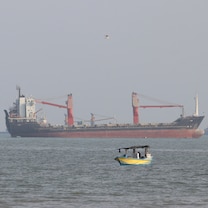
The U.S. was set to resume its naval blockade of the Strait of Hormuz on Tuesday, reversing a key commitment made as part of the deal. That move came after Iran fired upon oil tankers in the strait, which facilitates shipping of about one-fifth of the global oil supply.

A rise in oil prices typically pushes up prices at the pump within days, industry analysts previously told ABC News.
The average price of a gallon of gas stands at $3.85, amounting to a roughly 5% decline from a month earlier, AAA data showed. Still, gas prices remain nearly 30% above their pre-war level.
Patrick De Haan, a petroleum analyst at GasBuddy, forecast that the average national gas price could rise above $4 per gallon within the next week and add to those gains over the ensuing days.
“We may see a multi-week upward trajectory after oil’s big jump yesterday, after new escalations in the strait between US and Iran,” De Haan told ABC News Live on Tuesday.


“This is very much contingent on if the situation remains in escalation mode,” De Haan added. “If there’s any de-escalation, very quickly that could slam the brakes on potential increases.”

The Iran war triggered one of the largest oil shocks ever recorded, sending the national average price of gasoline as high as $4.56 a gallon on May 21, AAA data showed.
Oil and gasoline prices began to fall in late May, however, as Iran and the U.S. appeared willing to strike an agreement that would reopen the strait.
Relief at the pump helped bring down prices overall. Inflation dropped more than expected in June as gas prices eased, federal government data on Tuesday showed.
Prices rose 3.5% in June compared to a year earlier, marking a retreat from a year-over-year inflation rate of 4.2% in the prior month. The reading for June marked the lowest inflation since March, though the pace of price increases remains more than a percentage point higher than its pre-war level.
Even after easing last month, overall inflation stands markedly higher than the Federal Reserve's target rate of 2%.
Speaking to a House committee on Tuesday, Fed Chair Kevin Warsh vowed to address elevated inflation.
"My colleagues and I recognize that high inflation has been an undue burden on American households and businesses," Warsh said, before noting that "volatilities and variations are inevitable, especially in an unsettled world."
Related Topics

Popular Reads
ABC News Live