
US students performing worse in school than 10 years ago: Report
A new report released Wednesday suggests students in U.S. schools are performing worse than their peers a decade ago, and it isn't entirely due to the impact of the COVID-19 pandemic.
The Education Scorecard, a joint initiative from researchers at Harvard University, Stanford University and Dartmouth College, analyzed students’ reading and math scores in grades 3 through 8 from over 100 school districts across the country from 2009 to 2025.
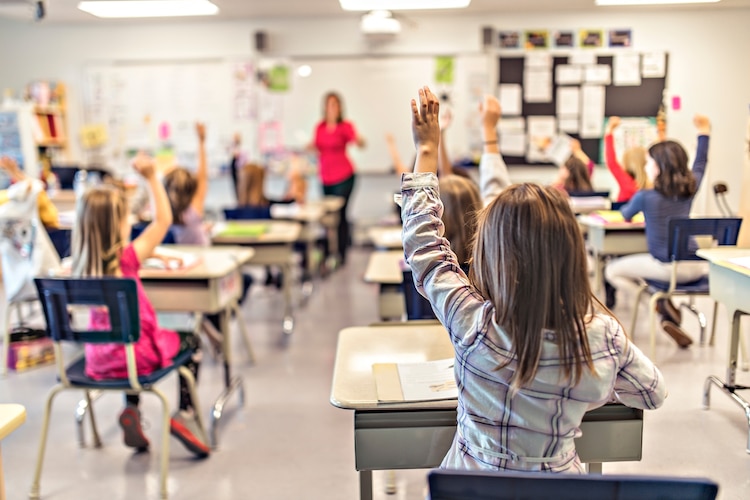
According to the new report, students’ test scores, especially in reading, started declining around 2013, and students’ reading scores before the onset of the pandemic from 2017 to 2019 were already dropping and as bad as they were during the pandemic between 2019 and 2022.
Eighth-graders’ reading scores were also at their lowest point in 2025, as they were in 1990, per the report.
“Between 2013 and 2015, the rate of improvement became negative in mathematics and was essentially zero in reading. Although the pandemic seemed to hasten the decline in math, the annual rate of decline in reading was similar in the period before the pandemic (2017–19), during the pandemic (2019–22), and after the pandemic (2022–24),” according to the report.
Tom Kane, an author of the report and faculty director of the Center for Education Policy Research at Harvard University, pointed to social media and a lack of testing as two factors that led to what he describes as a "learning recession."
"The 'learning recession' started a decade ago, after policymakers switched off the early warning system of test-based accountability and social media took over children's lives," Kane said in a statement released with the report.
The report theorized that factors like the ending of the No Child Left Behind federal law and the rise of screen and social media use among students contributed to the decline in student performance. The No Child Left Behind Act, enacted in 2002, ended in 2015 and was replaced by the Every Student Succeeds Act. The NCLB Act had required schools to report students' academic progress, but critics had said that, in reality, schools were adjusting standards in order to report more progress to keep federal funding.
Other factors the report said contributed to students' performance decline included student absences and a lack of literacy reforms.
Elaine Allensworth, executive director of the UChicago Consortium on School Research, told ABC News that although the report's results are concerning, she does not believe the results signal "a crisis."
"The decline in scores doesn't mean that students aren't ready. It's not something to panic about. It's something to be aware of," said Allensworth, who was not involved with the report.
"We need to really start asking questions about what we can do to support students so they feel engaged in school and we're addressing those factors that are leading students to be less engaged and leading to these smaller learning gains," Allensworth added.


Overall, the report said there have been some improvements in students’ test scores with some initiatives, such as schools that have implemented the "science of reading" phonics approach to teach reading, reporting higher student test scores.
ABC News has reached out to the U.S. Department of Education for comment on the Education Scorecard report.
Related Topics

Popular Reads

ABC News Live