'GMA' Goes Inside the West Wing
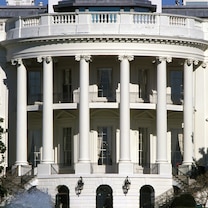
W A S H I N G T O N, Nov.4 -- U.S. presidents, past and present, have Theodore Roosevelt's six kids to thank for the West Wing on its 100th anniversary this week.
In 1902, the walls of the Roosevelt White House were bulging not only with his family, but with members of the presidential staff working in the residence.
Historian William Seales says Roosevelt convinced Congress to spring for a simple $65,000 addition. It took less than five months to construct the West Wing, which became so filled with secretaries and clerks that some dignitaries refused to do business there.
"The president met most people in the house, itself, the house property, in what we know today as the Treaty Room," Seales said. "The West Wing was created not for the president, but for his staff."
Just a few years later, in 1909, President William H. Taft doubled the size of the wing. Then, years later, President Franklin D. Roosevelt built today's even bigger Oval Office.
Two hundred years ago, when Thomas Jefferson was president, he got by with only one secretary and a messenger. President Woodrow Wilson made it through the first World War with only seven aides, and FDR increased that to 170. Today, President Bush has a staff of about 3,000.
Close Quarters
Karl Rove, Bush's top political strategist, admits that there isn't a whole lot of room in the West Wing, but he says staffers don't complain about the lack of open space.
Being within earshot of the president is a sign of power. Most of Bush's staffers work across the street.
"You conduct a lot of business in the hallway, and you know, people have cubbyholes and they're happy to have them," Rove said. "It's a very small place."
There are only several dozen coveted offices in the West Wing. Unless you're the president or the national security adviser, you'll be squeezing in.
There are some little known details about the West Wing that White House historians love to reveal to outsiders.
For instance, the White House Briefing Room, where the press gathers, was created for an entirely different use.

Popular Reads
ABC News Live