FDA approves 1st non-antipsychotic medication for agitation in Alzheimer's disease
Auvelity was initially approved by the FDA to treat major depressive disorder.
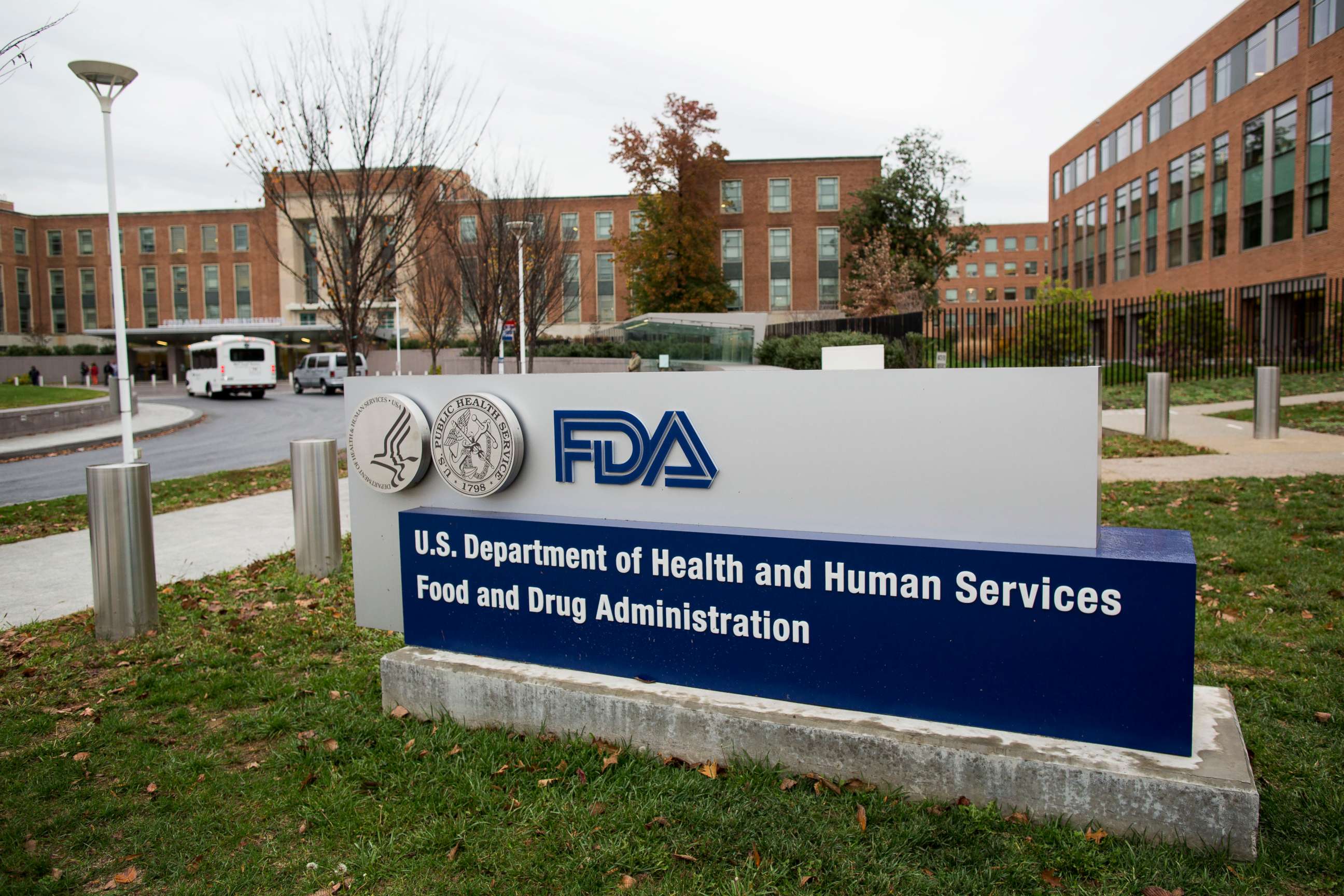
The Food and Drug Administration (FDA) approved the drug Auvelity this week for the treatment of agitation in adults with Alzheimer's dementia.
The extended-release tablet is the first FDA-approved medication for this condition that is not an anti-psychotic.
Anti-psychotics carry serious risks including stroke, sedation and increased death in older adults, according to the FDA. Having a non-antipsychotic option may be safer for patients, experts say.
"We've needed a drug like this for decades, because agitation related to Alzheimer's disease is one of the most challenging, disheartening symptoms that we manage," Dr. Richard Issacson, director of research at the Institute of Neurodegenerative Diseases in Florida, told ABC News. "This new drug would be used because their tolerability profile is better."
Auvelity was initially approved by the FDA in 2022 to treat major depressive disorder in adults. It carries a boxed warning for a higher risk of suicidal thoughts in teens and young adults taking antidepressants.
However, two recent randomized clinical trials found that the drug improved agitation symptoms in patients with dementia and Alzheimer's disease based on caregiver reports and survey data, and helped delay relapse compared to a placebo.
Studies show the drug works by affecting brain chemicals such as glutamate and dopamine to help calm the overactive signals in the brain linked to agitation. Reported side effects include dizziness, nausea, headache, dry mouth, sweating and diarrhea.
The FDA cautions that Auvelity can worsen or reveal suicidal thoughts and behaviors, especially when starting the medication. It may also worsen irritability or mania in some patients. It's additionally been linked to an increased risk for seizures, especially at higher doses, and may increase blood pressure.



Clinicians should closely monitor patients when initiating this treatment and throughout the treatment course, experts advise.
As of 2026, about 7.4 million Americans aged 65 and older are living with Alzheimer's dementia, according to the Alzheimer's Association. This number is expected to grow to 13.8 million by 2060.
Agitation is one of the most common and burdensome symptoms for those with Alzheimer's dementia. A JAMA Neurology study found that 50 to 60% of people with Alzheimer's experience agitation symptoms at some point.
Agitation is associated with a higher risk for rapid decline in cognition and death, studies have shown. It is also a leading driver of earlier nursing home placement and hospitalization, and it is significantly linked with higher caregiver burden and depression.
Issacson said there needs to be more hope for Alzheimer's patients and their loved ones.
"We also know that it's not just about drugs. People can exercise, live a healthy lifestyle, eat a Mediterranean style diet, and manage risk factors like blood pressure, cholesterol, and diabetes," Issacson said. "People can really take control of their brain health, reduce their risk of Alzheimer's and have better treatment outcomes. There's hope and there's so much education and information now online. I think we're making a lot of progress."
Dr. Crystal Joseph, MD, MS is an anesthesiology resident at Beth Israel Deaconess Medical Center/Harvard Medical School and a member of the ABC News Medical Unit.
Related Topics

Popular Reads

ABC News Live