What to know about psychedelics treating mental health disorders amid Trump's executive order
The executive order aims to accelerate research into psychedelic drug therapies.
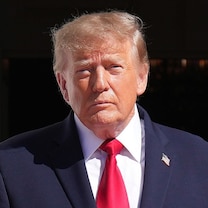
Over the weekend, President Donald Trump signed an executive order directing the Food and Drug Administration (FDA) to expedite its review of certain psychedelics.
The order aims to accelerate research and approval of psychedelic-based therapies to help treat mental health conditions including post-traumatic stress disorder (PTSD), depression and addiction.
Some psychedelic research experts told ABC News that the patients who benefit the most from psychedelic drugs are those who continue to experience negative mental health effects after trying existing treatments.
They are optimistic that Trump's move will help lead to more breakthroughs that could help treat the millions of Americans suffering from mental health issues.
"My hope is that this executive order will facilitate everything that's needed to determine whether and how these drugs are safe and, if they're approved, in the ways in which we can most responsibly provide access to them," Frederick Barrett, director of the Center for Psychedelic and Consciousness Research at Johns Hopkins School of Medicine, told ABC News.

What we know about research on psychedelics
A multitude of studies have suggested that psychoactive drugs, including cannabis, ketamine, psilocybin and midomafetamine (MDMA), may help treat PTSD and other mental health disorders.
However, most of these drugs are classified as Schedule I, meaning they have "no currently accepted medical use and a high potential for abuse," according to the Drug Enforcement Administration.
A 24-person 2022 study from John Hopkins Medicine followed patients with moderate to severe major depressive disorder who received psilocybin-assisted treatment for up to a year. Psilocybin is the main psychoactive ingredient in magic mushrooms.
Researchers found antidepressant effects from psilocybin and supportive psychotherapy may last at least a year in some patients.
Additionally, a small 2025 study assessed the effects of a single dose of psilocybin on U.S. veterans with treatment-resistant depression. Although some patients saw reductions in depressive symptoms for up to 12 months, most effects began to wane after nine months.
"There's a couple of reasons, I think, why these drugs are quite exciting and different," Alex Kwan, a professor of biomedical engineering at Cornell University, told ABC News. "One is that they seem to work relatively fast, but also long-lasting compared to conventional medication."
"So, for depression, [selective serotonin reuptake inhibitors] could take a couple weeks to work, but these drugs seem to take on the order of several days and one dose can last for several months," he continued. "And then the other thing is ... these drugs seem to work through different mechanisms in the brain. So people who might not be responsive to SSRIs could potentially benefit from psychedelics."
Additionally, MDMA has shown some promise in treating PTSD. However, in June 2024, a panel of independent advisers for the FDA voted against recommending approval of pharmaceutical version of MDMA -- along with therapy -- to treat the condition.
The Psychopharmacologic Drugs Advisory Committee appeared to have doubts about the safety and efficacy of the treatment, with the majority voting "no" on questions of data showing the drug is effective and that the benefits of MDMA outweigh the risks for the treatment of patients with PTSD.
Two months later, the FDA took the advice of the committee and decided not to approve the MDMA-therapy combination.

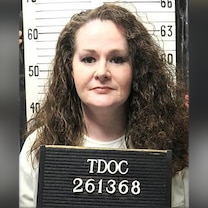
The executive order directly named ibogaine, which is a plant-based psychoactive compound that has limited research for depression, PTSD, anxiety and traumatic brain injury, with most evidence coming from animal studies and small, early human studies.
There is some evidence suggesting that ibogaine carries serious safety risks, particularly a potentially fatal irregular heart rhythm known as arrhythmias, along with neurologic and gastrointestinal side effects.
How the executive order could help accelerate research
The experts noted that it's important to not sacrifice safety or rigor in the acceleration of research involving psychedelic drugs.
Barrett said he believes the administration is following this by not bypassing the FDA, which has an extensive process for reviewing new drugs to determine if they are safe and effective.

The executive order also directs the Attorney General and Department of Health and Human Services to review any product containing a Schedule I substance that has successfully completed late-stage clinical trials for mental health disorders to potentially be rescheduled.
Kwan said this will help researchers more easily access these substances in order to complete studies.
"Currently, these substances are controlled substance, meaning for a researcher it's very difficult to get a hold of them," he said. "So one aspect of the executive order is to reschedule some of these substances or classify them for those that have passed a clinical trial, which makes sense to me because if they have already passed clinical trial, then it means that they [have] some benefit and so I think [the substances] should be appropriate for research and that would ease the burden for scientists who want to study the drug."
Barrett added that, although decades worth of studies are encouraging about the potential benefits of psychedelics, he does not advocate for the recreational use of these drugs.
"Everything that we know recently is in the context of carefully screened individuals who are carefully monitored by trained professionals during these experiences and, under those conditions, we think psychedelics may be relatively safe and effective in treating depression and substance use and trauma and possibly other things," Barrett said.
He cautioned that these drugs still carry risks.
"These are certainly not things people should be going off and doing on their own, especially not without really careful supervision," he said. "And even then, even the most effective therapies have side effects and aren't expected to work for everyone."
ABC News' Liz Neporent contributed to this report.
Related Topics

Popular Reads

ABC News Live