After ISIS: Inside the Iraqi City Left in Ruins
ABC News gets a rare look inside the Iraqi city left in ruins by ISIS.
Ramadi, Iraq -- It was one of the biggest cities in Iraq -- the capital of Anbar Province and a strategic hub for travelers going west to Syria and Jordan.
Once a bustling city along the banks of the Euphrates with a booming population of nearly 850,000, Ramadi is now a ghost town, destroyed by the ISIS takeover almost one year ago.
Martha Raddatz, ABC News’ "This Week" co-anchor and chief global affairs correspondent, visited Ramadi this week to see the devastation firsthand.
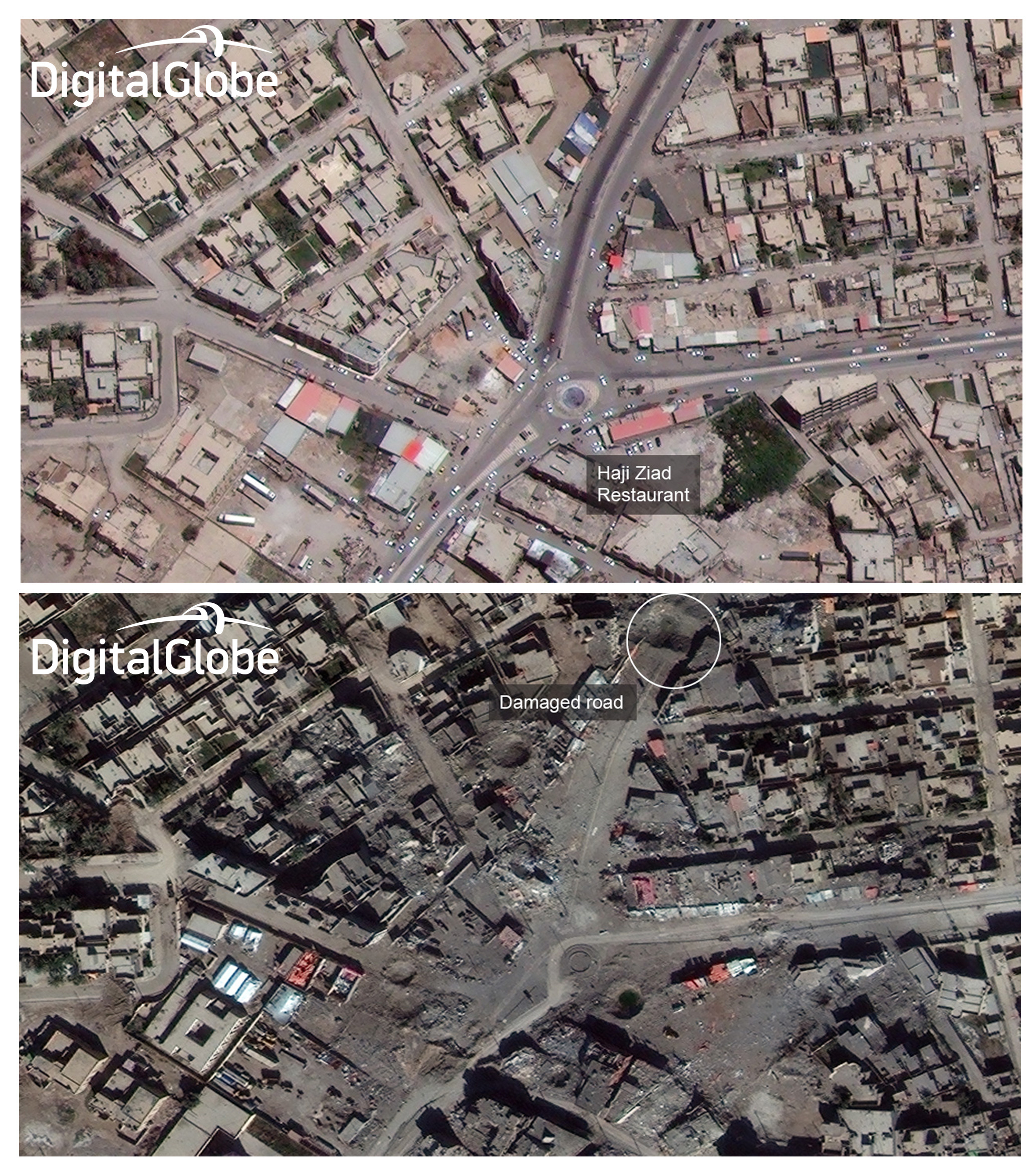
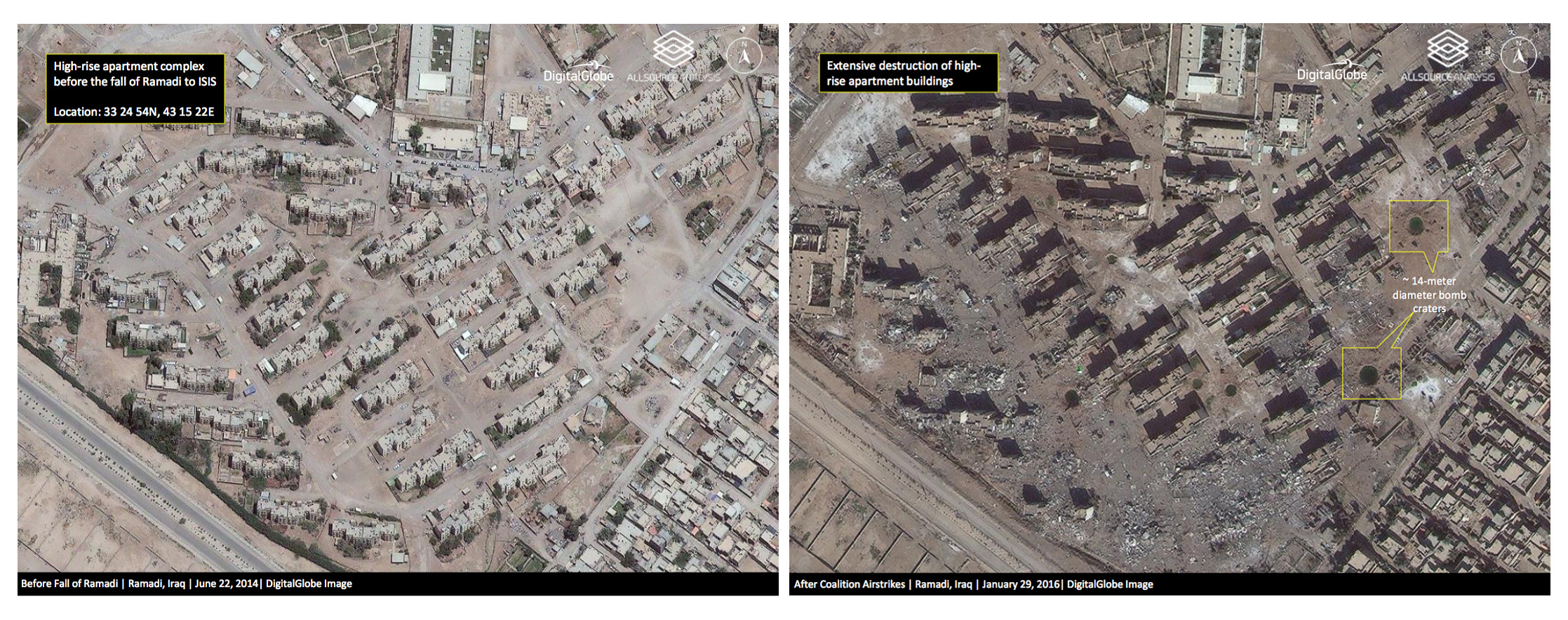
Before and after images now show buildings leveled, bridges collapsed and infrastructure systems paralyzed.
When Ramadi fell to 500 ISIS militants, it was a humiliating defeat for thousands of Iraqi troops who fled the city in retreat. Video shows the last troops rushing into a helicopter to escape.
While their failure to hold the town was due to a domino effect of circumstances -- from sandstorms to miscommunication -- it didn’t keep criticism at bay.
Defense Secretary Ash Carter questioned the Iraqi forces' “will to fight” because they withdrew from the city even though “they vastly outnumbered the opposing force.”
But eight months later, Iraqi security forces backed by U.S.-led coalition airstrikes regained control of Ramadi.
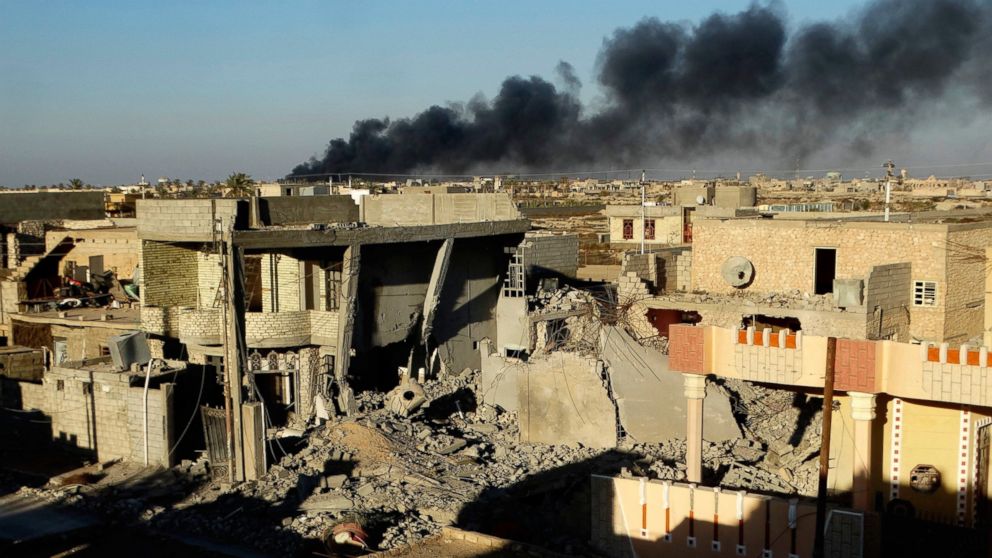
It was a long fight that a required more than 600 aerial bombs to rid the streets of ISIS fighters.
At the end of December, Iraqi officials proclaimed they had full control of the main areas of Ramadi and Iraqi soldiers proudly hoisted the national flag.
Today, only an estimated 15,000 families who fled have returned to their homes.
ABC News visited Ramadi with a heavy security detail of local Iraqi security forces and private contractors.
Although much of the city appeared deserted, ABC News managed to speak to two families who had recently returned. A large crater was found in the side of their apartment building.
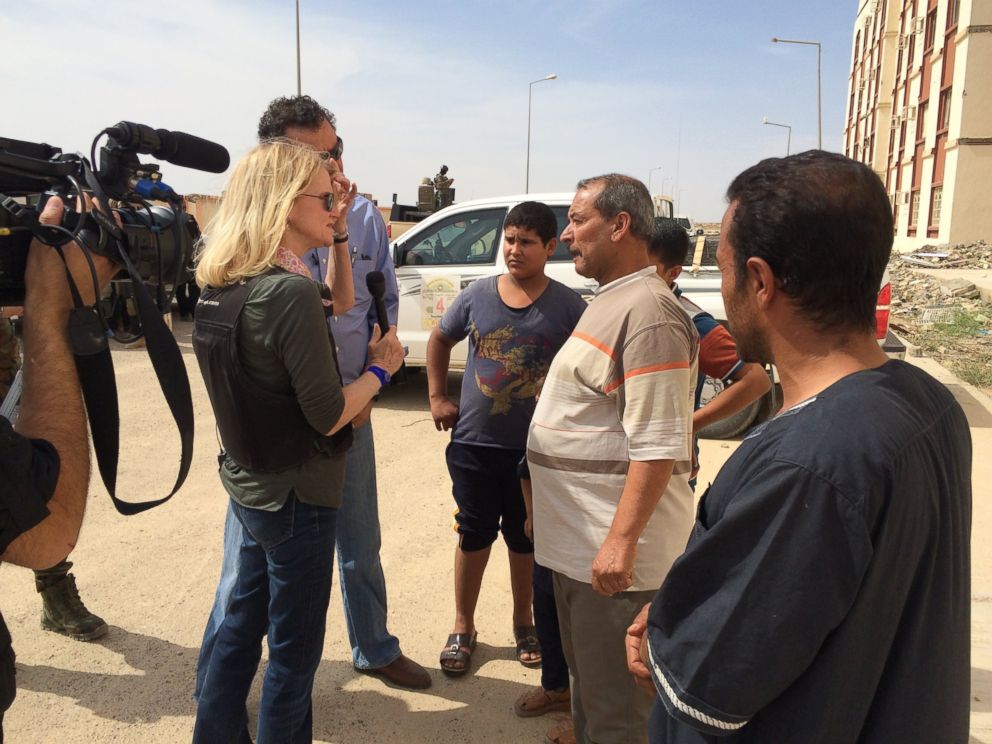
They said there was no school for their children and finding food was difficult.
“We want this place to be rebuilt. Our homes are all destroyed,” one father said. “Our cars, gone.”
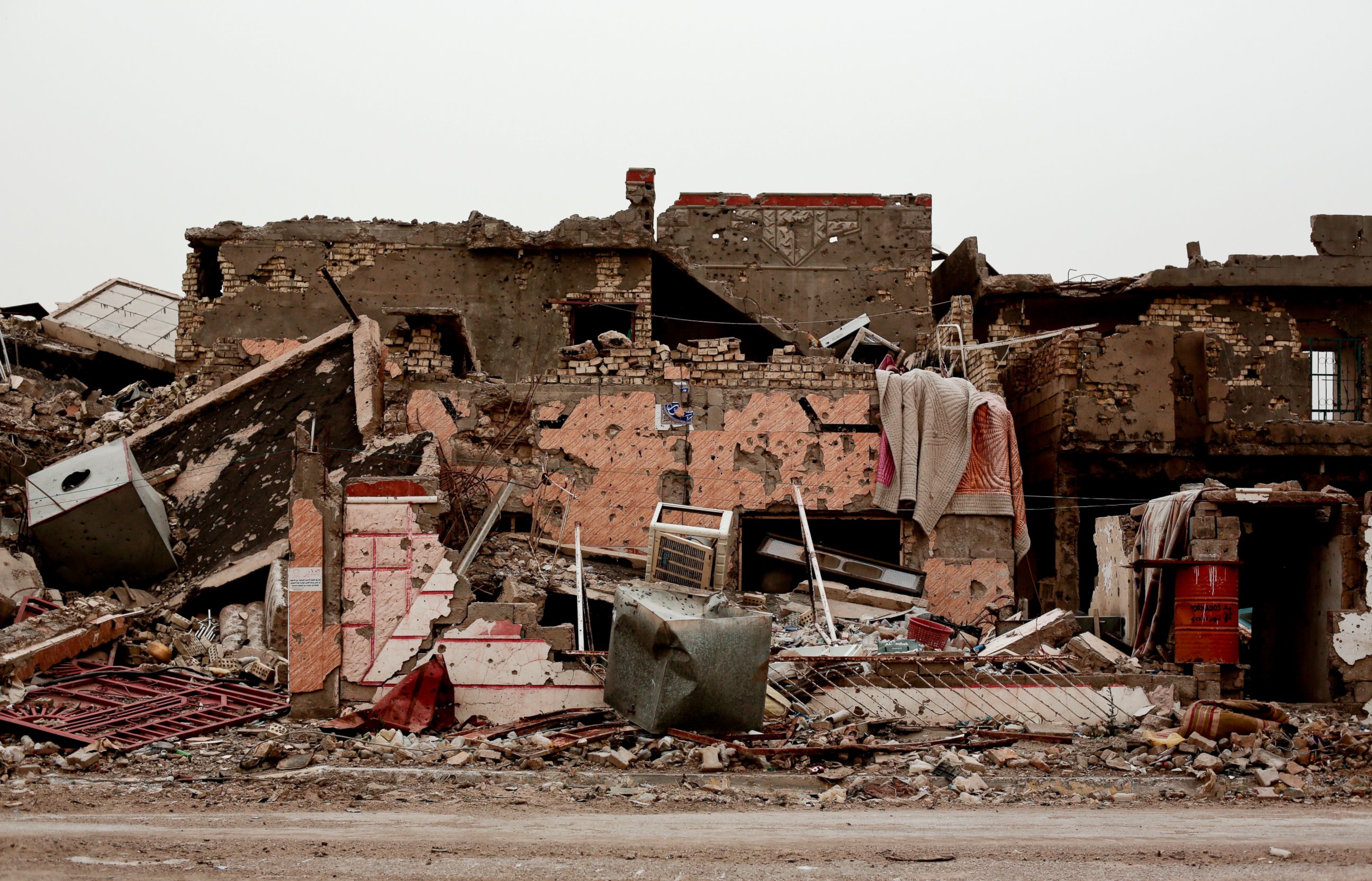
Most of the complaints from residents are the same: ISIS left the city's streets riddled with improvised explosive devices, or IEDs.
There are more unexploded ISIS bombs and mines in Ramadi than nearly any other place on earth.

ABC News met up with an American company, Janus Global Operations, which is working to find thousands of hidden IEDs. Janus has been contracted by the U.S. State Department's Office of Weapons Removal and Abatement to locate and diffuse the bombs. The company says it will take years, if not decades, to ensure the city is cleared.
They have two teams of around 40 people in total to de-mine the entire city, but they are hoping to add several dozen more.
The contractors say that as they work to de-mine one spot, they are often approached by residents who need help with an explosive on their own property.
Janus Global trains Iraqi citizens to do the work themselves and showed ABC News one of their training facilities.
The trip mines on the floor were barely visible to the eye amid the dust and dirt.
Along with booby-trapping much of Ramadi, ISIS destroyed bridges and roads as it retreated.
The Ramadi dam was damaged by ISIS in order to cut off water supplies to towns downstream.
A satellite map, courtesy of DigitalGlobe, allows the public to tag the location of destroyed roads, bridges, and buildings, as well as identify bomb craters.
Khalid, a former Al Anbar University student, told ABC News that 80 percent of his school was destroyed after it had been commandeered by ISIS, which the group used as its militant headquarters.
Refugees described ISIS’ brutal tactics, like using civilians as human shields and starvation.
Some have vowed not to return to Ramadi until it is safe and more stable.
They know firsthand that despite the city’s liberation from ISIS, life may never be the same.
U.S. Involvement in Ramadi
Ramadi is also home to some painful memories for the United States military.
In 2004, one year after Saddam Hussein was removed from office, Marines from the 2nd Battalion, 4th Regiment deployed to Ramadi on a “security and stability” mission.
From the beginning, the battalion was in full combat, losing 12 Marines that first day.
After six months in Ramadi battling insurgents, 34 Marines and a Navy corpsman had been killed and 269 Marines had been wounded.
According to Maj. Gen. Lawrence Nicholson, no Marine battalion in the Iraq War suffered as many casualties as that battalion did during its Ramadi deployment.
In 2006, U.S. Marines, soldiers and Navy SEALs fought alongside Iraqi security forces to secure key locations from insurgents.
At least 70 U.S. servicemen died during the months of that 2006 battle, according to Military Times.
During those years of the Iraq War, Ramadi was considered one of the most dangerous places in Iraq and the world.
ABC News' Cindy Smith and Pat O'Gara contributed to this report from Ramadi, Iraq.

Popular Reads
ABC News Live