Climate change is making allergy season worse: Study
If you're a seasonal allergy sufferer, you better stock up on your meds. A new study from Climate Central found that allergy season is starting earlier, lasting longer and becoming more severe because of warming trends amplified by climate change.
Using data from NOAA, the nonprofit climate research group studied the warming trends of 198 cities from 1970 to 2024. It found that 87% now have a longer freeze-free growing season. Extended periods of above-freezing weather give plants more time to grow, which results in more allergy-inducing pollen.
Climate Central said that, on average, 172 cities had their freeze-free season increase by 20 days. According to data, cities in the Southwest and Northwest had the most significant increase in above-freezing days. Allergy season increased the most in Reno, Nevada (96 more days); Las Cruces, New Mexico (66 more days); Medford, Oregon (63 more days); and Tupelo, Mississippi, and Myrtle Beach, South Carolina (both with 52 more days).
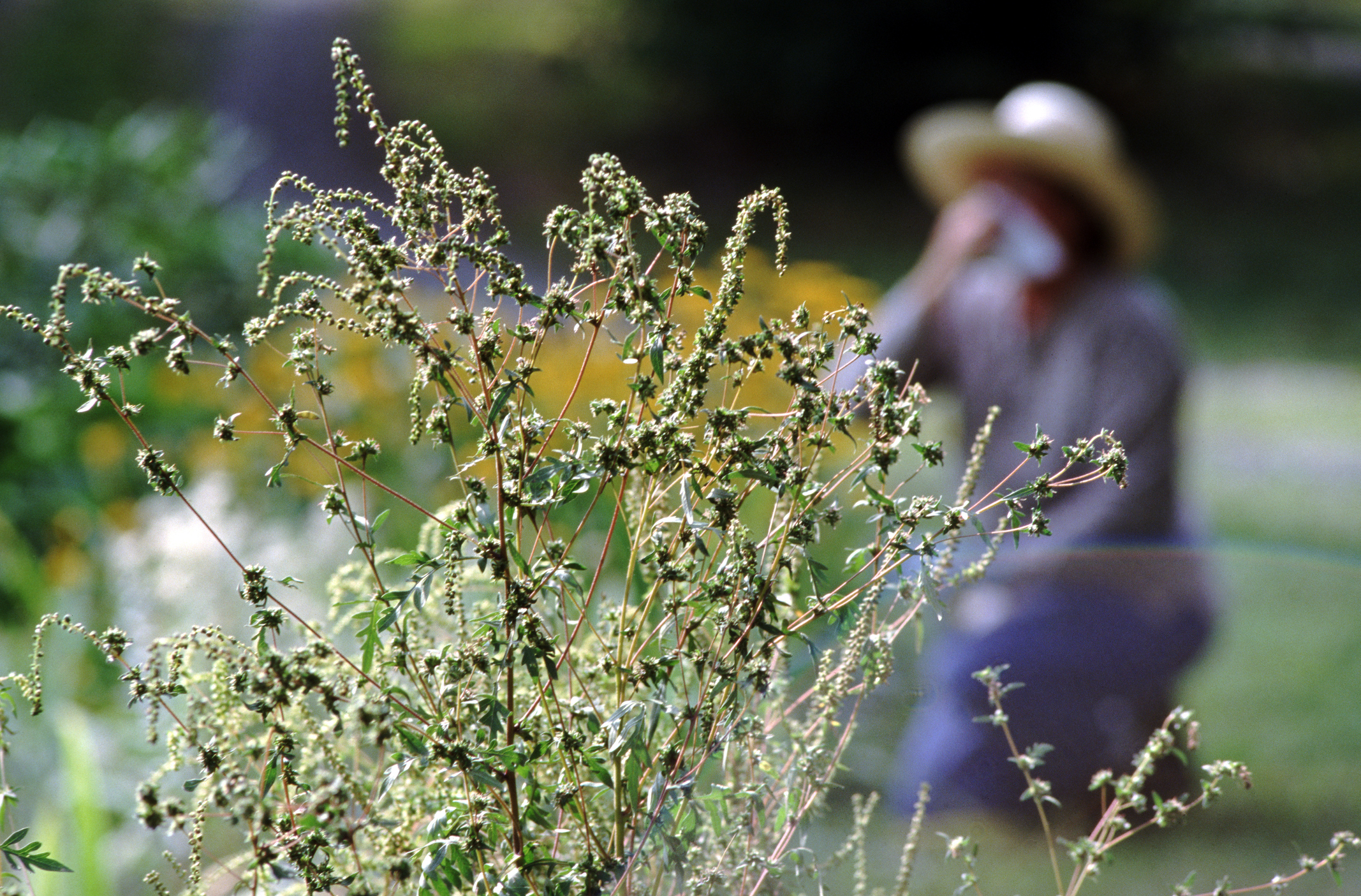
Climate change is not only increasing the length of allergy season, but it's also making it more intense, according to studies. A study in Allergy, Asthma & Immunology Research found that higher levels of CO2 emissions can boost pollen production in plants, specifically ragweed and grasses. And a 2022 study in Nature Communications predicted that by the end of the century, we could experience an up to 200% increase in pollen production.
According to the Centers for Disease Control and Prevention, 1 in 4 adults and 1 in 5 children suffer from seasonal allergies in the United States.
-ABC News climate unit's Matthew Glasser