Global sea ice cover dips to lowest level on record
It has been a frigid start to 2025 for much of the United States. However, globally, the planet's long stretch of near-record to record-high temperatures has proved detrimental to global sea ice cover.
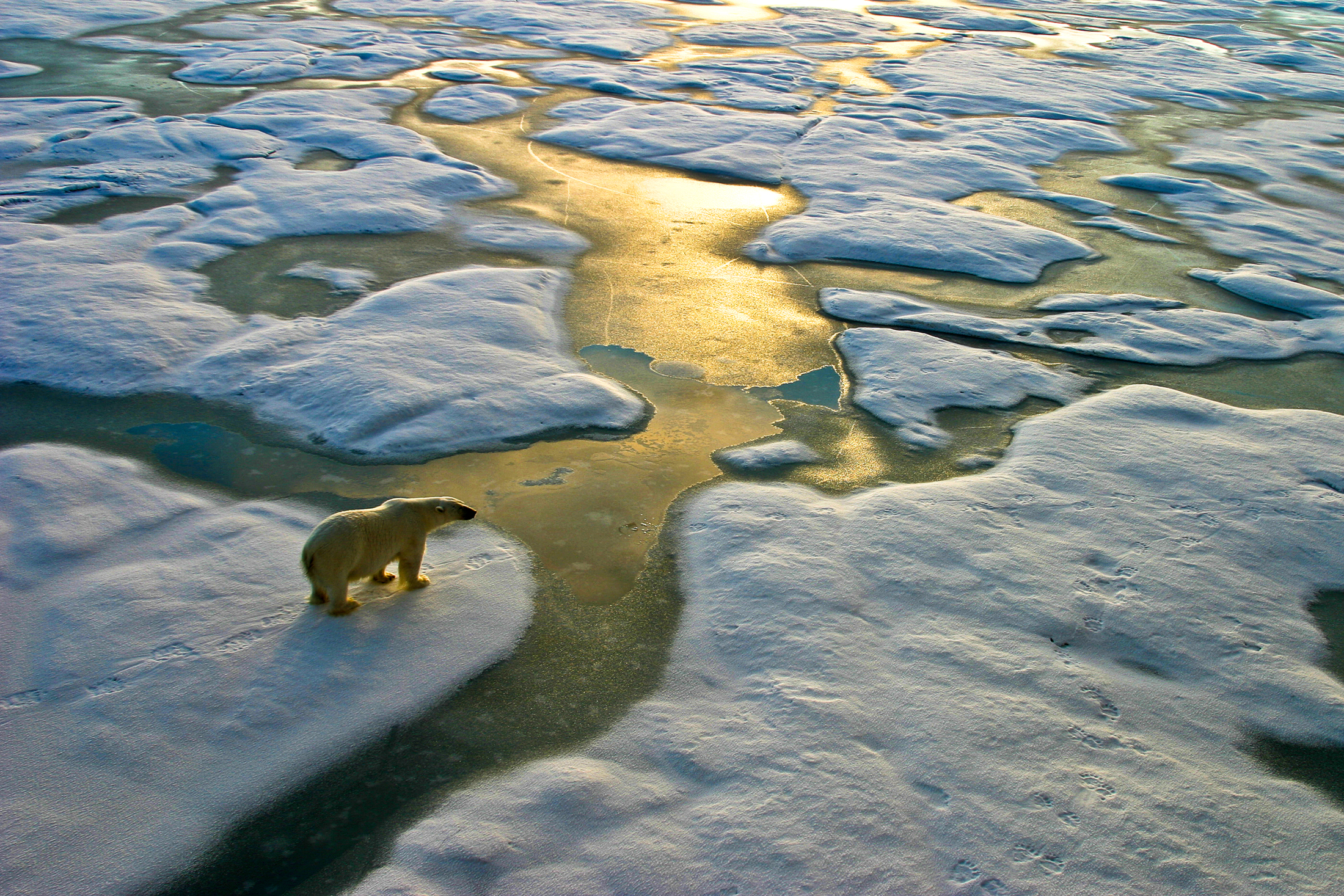
Global sea ice extent fell to its lowest recorded value in February, according to data analyzed by the Copernicus Climate Change Service. Last month also ranked as the third-warmest February on record for the planet.
Sea ice extent is the area of ocean covered by ice that's at least 15% frozen. Global sea ice extent combines the values of the Arctic and Antarctic polar regions. The new record occurred because both regions experienced below-average coverage simultaneously, with Arctic sea ice cover dropping to a new record low for February, according to the report.
The Arctic region is warming much faster than the global average. After acting as a carbon sink for thousands of years, the area has become a source of carbon dioxide emissions due to rapidly warming conditions and increasing wildfire activity, according to a recent report by the National Oceanic and Atmospheric Administration.
While last month ranked as the third-warmest on record for the planet, it registered more than 1.5 degrees Celsius warmer than the pre-industrial average (1850-1900), making it the 19th of the last 20 months to exceed the warming threshold established in the 2015 Paris Climate Agreement.
Exceeding the 1.5 degree Celsius threshold temporarily is not seen as a failure to limit warming under the agreement since it looks at the climate average over multiple decades.
February was the first month that has not been the warmest or second-warmest on record since June 2023. A temporary decline in global temperature records was anticipated due to the current La Niña conditions in the equatorial eastern Pacific Ocean, which usually leads to a decrease in the global average temperature.
However, this pause will likely not last long as the overall long-term global average temperature trend keeps going up, fueled by human greenhouse gas emissions.
-ABC News meteorologist Dan Peck