Blinken, Austin visit to focus on logistics of sending more weapons: Ukrainian deputy PM
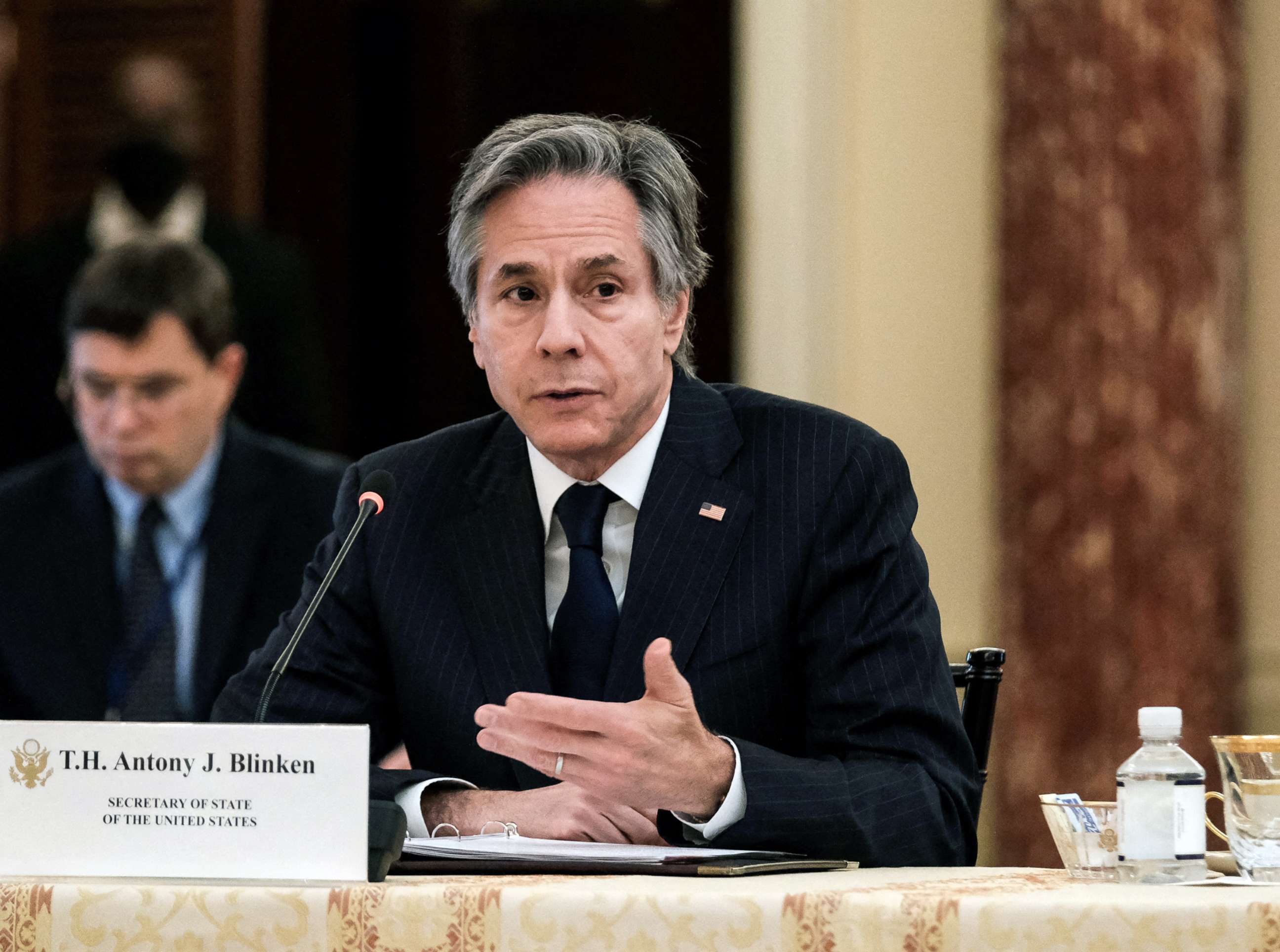
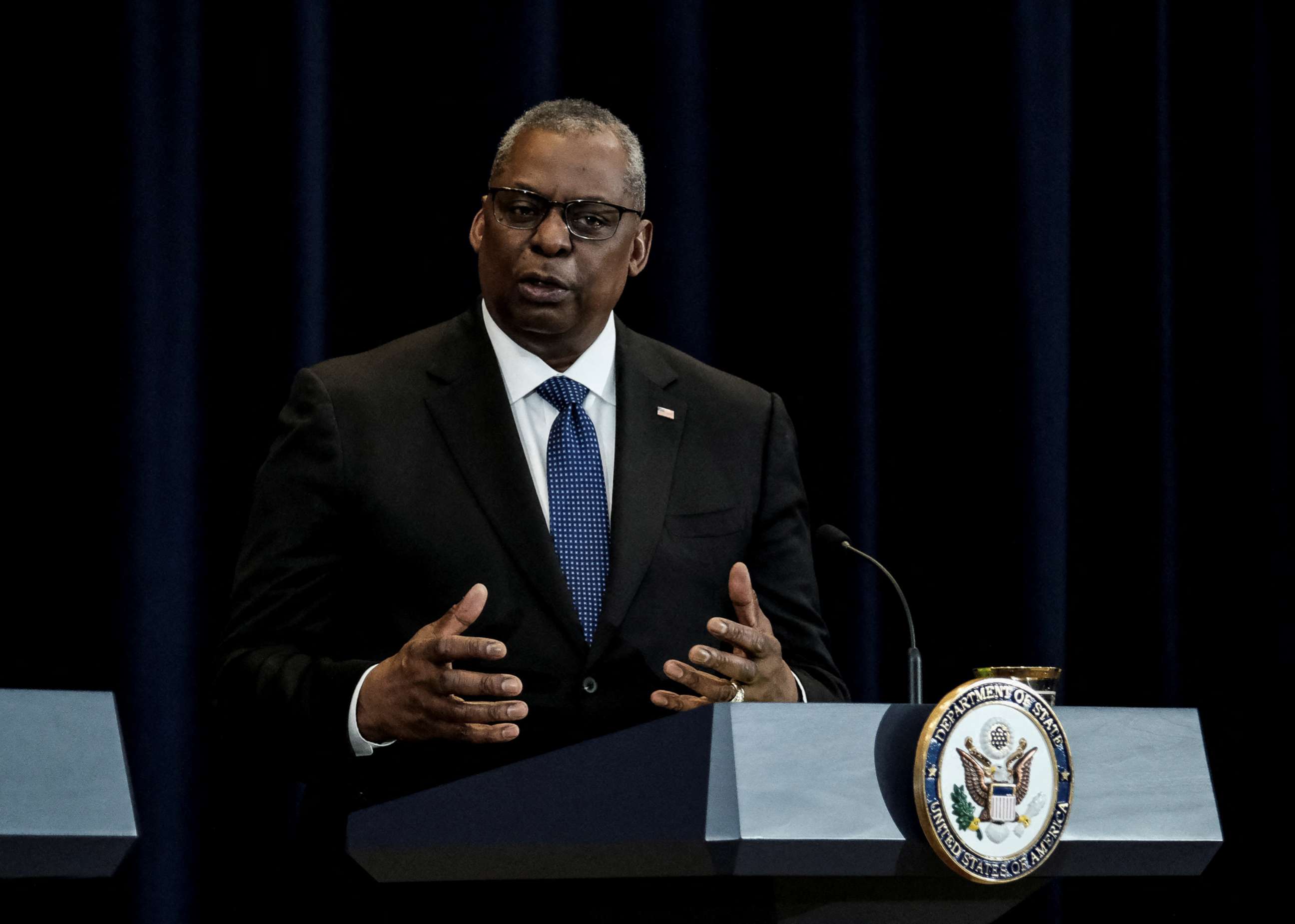
Ukrainian Deputy Prime Minister Iryna Vereshchuk told ABC News that an anticipated visit to Ukraine on Sunday by U.S. Secretary of State Antony Blinken and Defense Secretary Lloyd Austin will focus on logistics of funneling more military assistance to the country's embattled troops to fight off Russian forces.
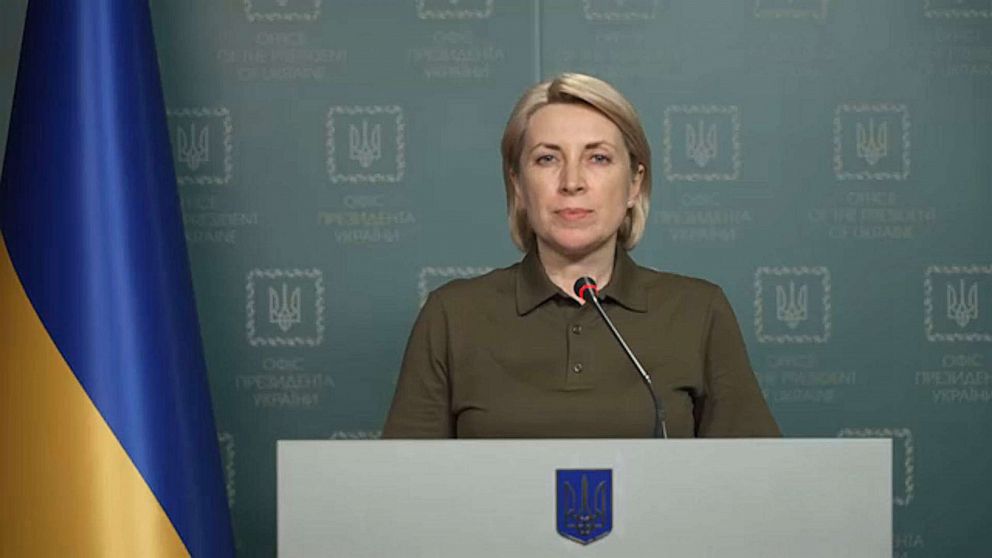
Vereshchuk told ABC News' foreign correspondent James Longman that the face-to-face visit will also give Ukrainian leaders a better chance to express the urgency and turmoil of their predicament.
"When you talk on the phone, the emotional part of the conversation cannot be conveyed," Vereshchuk said.
Vereshchuk said it is incumbent on NATO to step in, given Russia's apparent plans to take the Donbas region in eastern as well as territory in southern Ukraine.
She expressed disappointment in Germany for seemingly dragging its feet on sending heavy artillery, including tanks, to Ukraine and said it appeared German leaders are attempting to placate Putin.
“They don’t understand. There is no way to pacify Putin," Vereshchuk said. "It would be a huge problem for NATO if Russia has dominance over the Black Sea.”
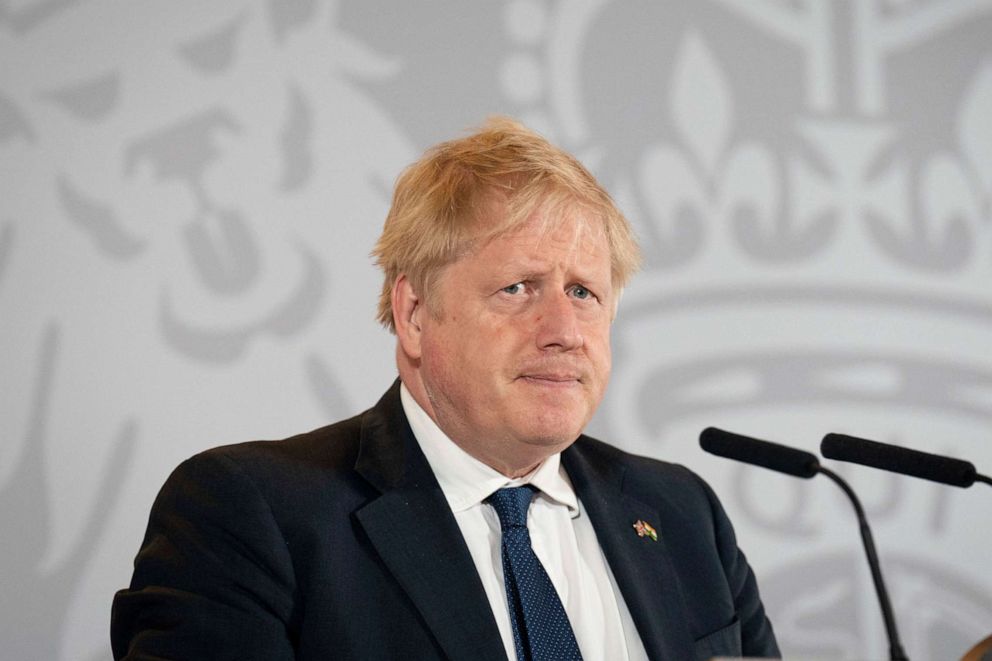
German Chancellor Olaf Scholz has defended the support his country has sent Ukraine, saying last week, “The weapons we are delivering have made a very substantial contribution" to Ukraine fight against Russia."
"We are delivering, we have delivered and we will deliver," Scholz said.
Vereshchuk also told ABC News that about 200 Russian soldiers have been exchanged for Ukrainian soldiers, so far. She said the highest ranking Russian military leader captured by Ukraine was a lieutenant colonel.
Vereshchuk, who is in charge of prisoner exchanges for her country, said Ukraine won’t exchange those responsible for war crimes.
Vereshchuk also claimed that 200,000 Ukrainians have been forcibly deported to Russian-controlled territory into "filtration camps," including 5,000 children.
"We saw what Stalin did, we know what they are," Vereshchuk said of the camps.