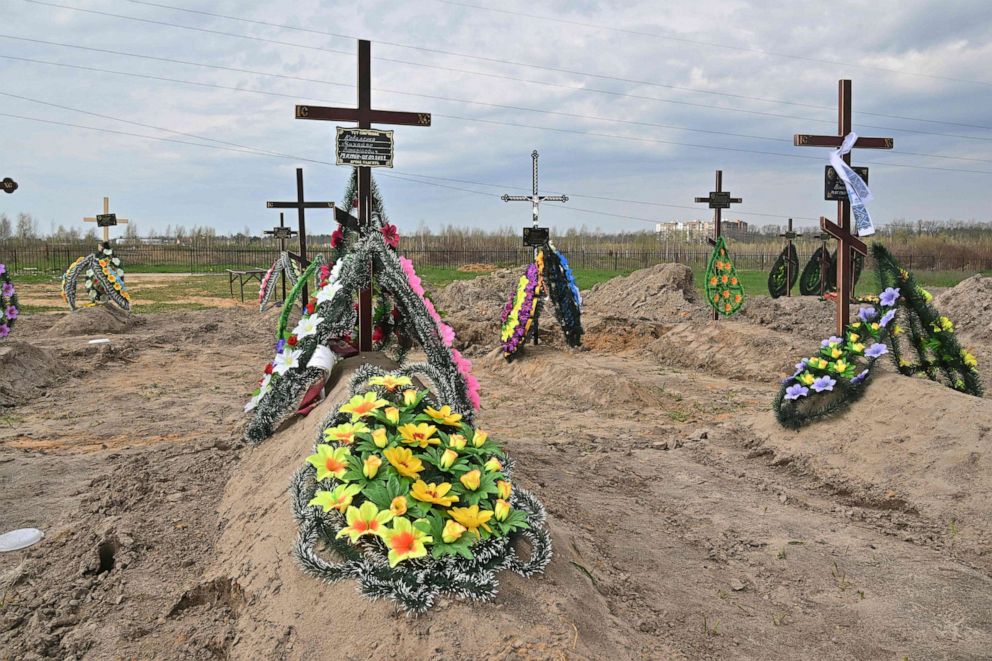
Putin has goals beyond Donbas, US says
Russian President Vladimir Putin "is preparing for prolonged conflict in Ukraine during which he still intends to achieve goals beyond the Donbas," according to Director of National Intelligence Avril Haines.
"The next month or two of fighting will be significant as the Russians attempt to reinvigorate their efforts. But even if they are successful, we are not confident that the fight in the Donbas will effectively end the war," Haines told senators at an Armed Services Committee hearing Tuesday.
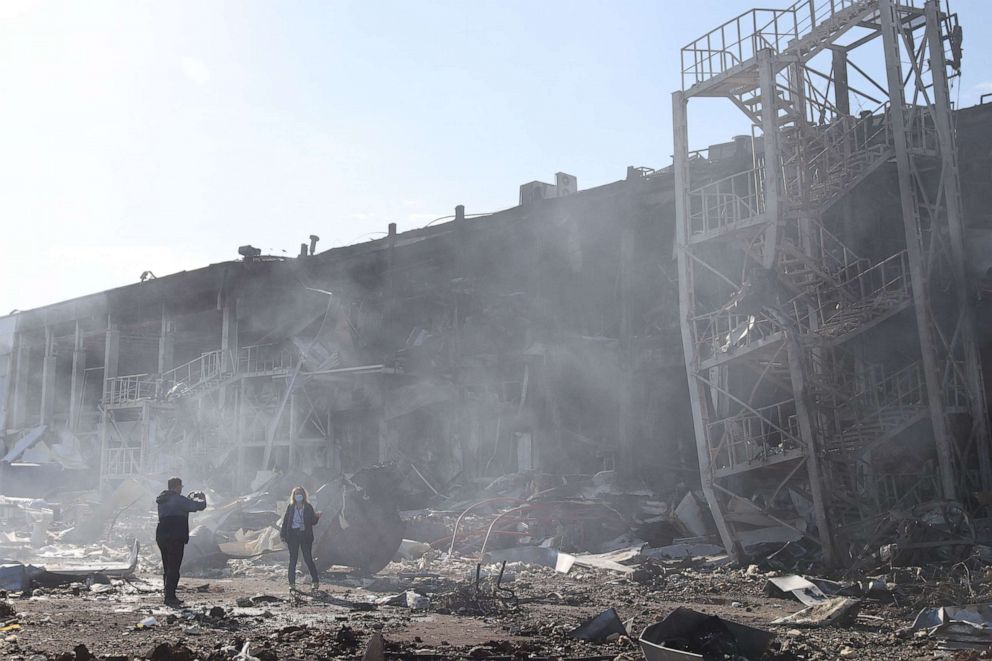
For now, Putin's goal is to take control of the Donetsk and Luhansk oblasts and encircle Ukrainian forces from the north and south of the Donbas "in order to crush the most capable and well-equipped Ukrainian forces who are fighting to hold the line in the East," Haines said.
Putin also hopes to "consolidate control of the land bridge Russia has established from Crimea to the Donbas, occupy Kherson, and control the water source for Crimea," Haines said. The U.S. sees indications his military wants to extend that land bridge to Transnistria in Moldova, she added.
Haines said Russia might be capable of achieving "most" of those goals in the coming months. However, "We believe that they will not be able to extend control over a land bridge that stretches to Transnistria and includes Odessa without launching some form of mobilization. And it is increasingly unlikely that they will be able to establish control over both oblasts and the buffer zone they desire in the coming weeks," she said.
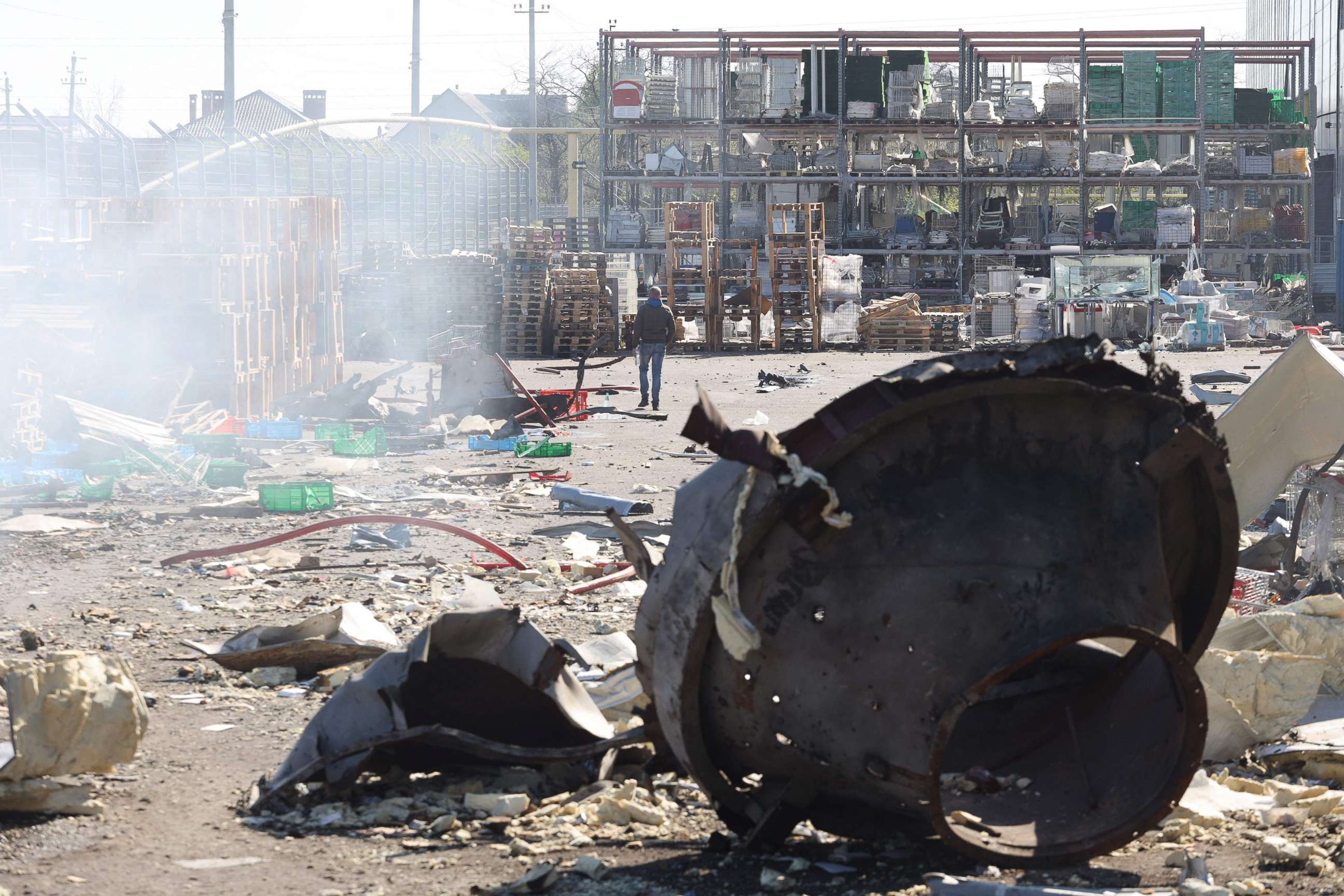
Sanctions from the West are having a "pretty significant" impact on Russia, according to Haines.
"Among the indicators that one might look at are, for example, the fact that we're seeing close to about, we predict, approximately 20% inflation in Russia; that we expect that their GDP will fall about 10%, possibly even more over the course of the year," she said.
The fighting itself has also worn on Russia's capabilities.
"The ground combat forces have been degraded considerably. It's going to take them years ... to rebuild that," she said.
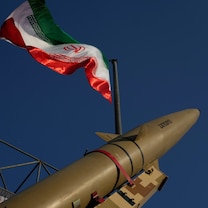
But that could drive Putin to other means of exerting force. Haines said, "They may rely more on things like cyber, nuclear, precision, etc. … Putin would probably only authorize the use of nuclear weapons if he perceived an existential threat to the Russian state or regime."
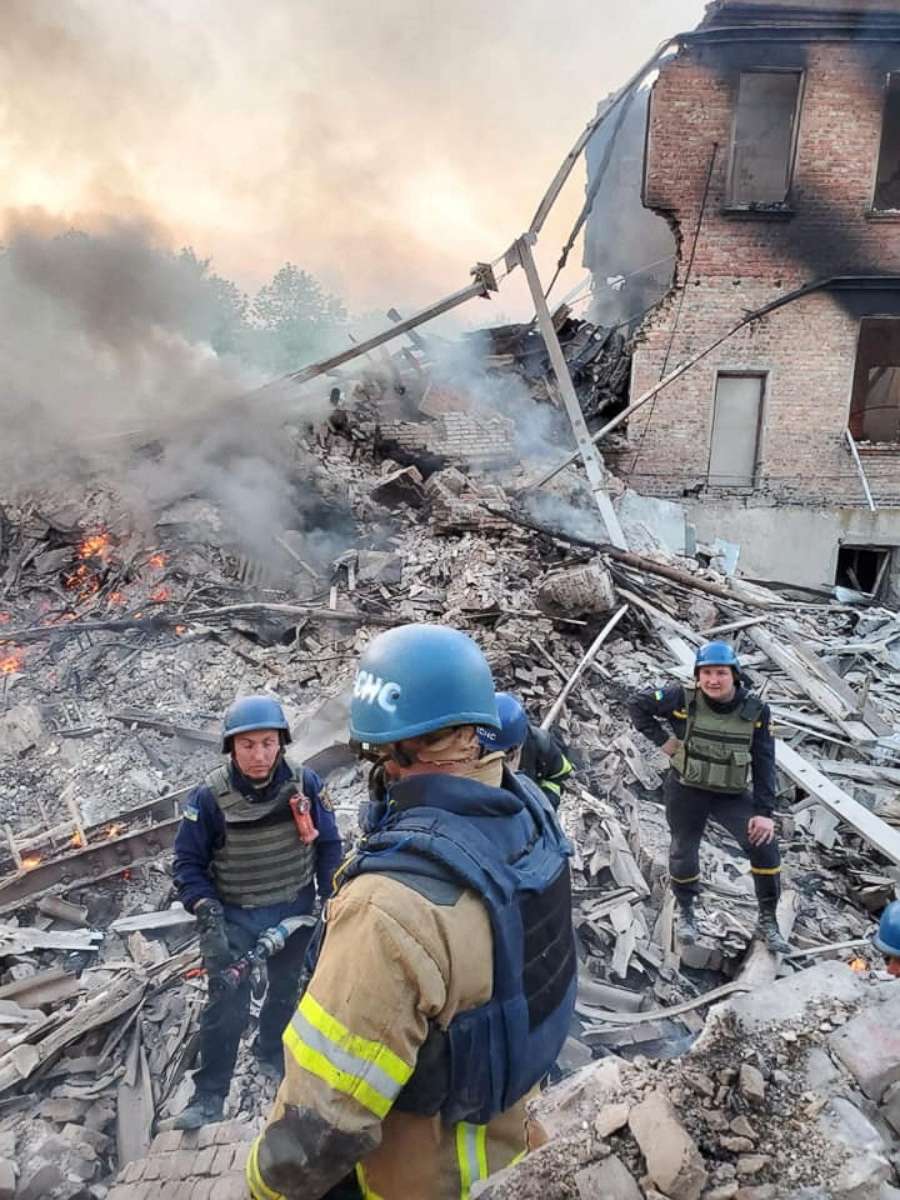
Haines warned, "The current trend increases the likelihood that President Putin will turn to more drastic means, including imposing martial law, reorienting industrial production, or potentially escalatory military actions to free up the resources needed to achieve his objectives as the conflict drags on, or if he perceives Russia is losing in Ukraine."
"The most likely flashpoints for escalation in the coming weeks are around increasing Russian attempts to interdict Western security assistance, retaliation for Western economic sanctions or threats to the regime at home. We believe that Moscow continues to use nuclear rhetoric to deter the United States and the West from increasing lethal aid to Ukraine and to respond to public comments that the U.S. and NATO allies that suggest expanded Western goals in the conflict," she said. "If Putin perceives that the United States is ignoring his threats, he may try to signal to Washington the heightened danger of its support to Ukraine by authorizing another large nuclear exercise involving a major dispersal of mobile intercontinental missiles, heavy bombers, strategic submarines."
-ABC News' Matt Seyler