NATO leaders discuss how to give Ukraine anti-ship missiles
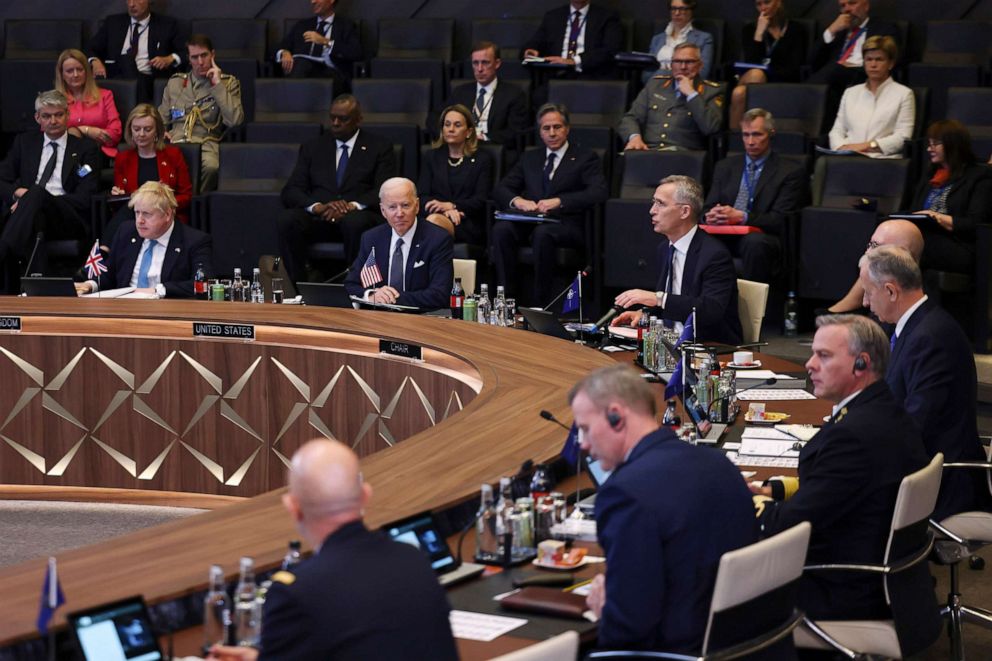
The mood at NATO's emergency summit in Brussels has been "sober" and "resolute" so far, according to senior U.S. administration officials.
"There was a very strong sense that that we are facing a significant historical moment, and very strong support from all the leaders who spoke about the need to defend our democracy," one of the officials told reporters during a telephone briefing Thursday.
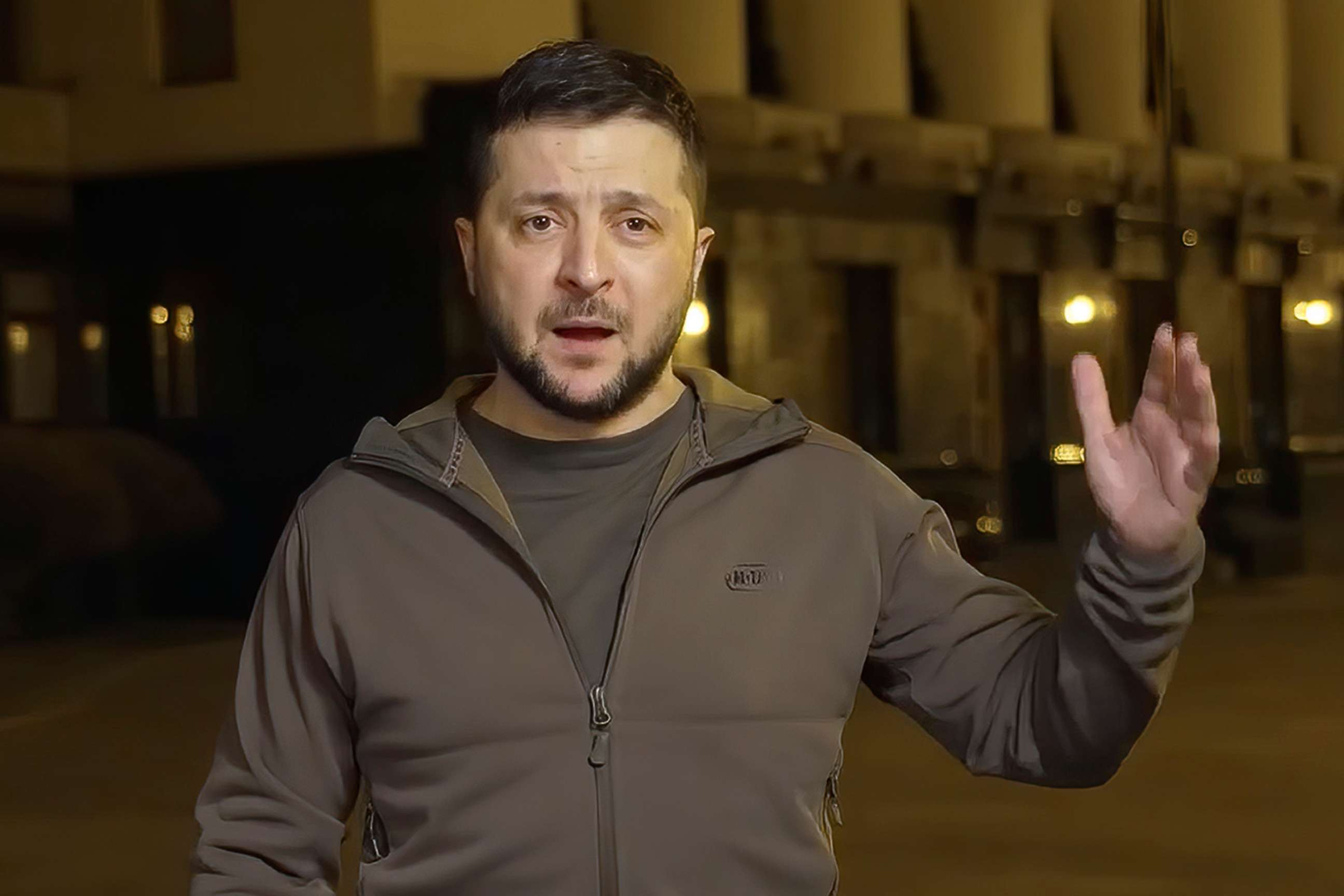
The officials said Ukrainian President Volodymyr Zelesnkyy, who addressed NATO leaders remotely, spoke "very eloquently" and "repeated his requests for continued and increased Western security assistance."
"But notably, there was not a request for a no-fly zone," an official added. "There was also not a request for NATO membership."
U.S. President Joe Biden was the first NATO head of state to speak after Zelenskyy's speech and noted that Thursday marks one month since Russia launched its invasion of Ukraine. He discussed the sanctions that have already been imposed and expressed strong support for Ukraine as well as humanitarian and military aid and reaffirmed his support for Article 5, which is the cornerstone of NATO and states that an attack on one member is an attack on all members.
China was also a topic of discussion among "many of the speakers," officials said, as the world watches whether Beijing offers any military or economic assistance to Moscow.
"We need to continue to call on China not to support Russia in its aggression against Ukraine, and that we need China to call for a peaceful end of the conflict as a responsible member of the international community," an official told reporters.
NATO allies are now consulting about "providing anti-ship missiles to Ukraine," following the Ukrainian navy's attack on a Russian ship earlier Thursday, though officials noted "there may be some technical challenges with making that happen."
When asked whether there were discussions about NATO responding to a potential chemical attack by Russian forces in Ukraine, the officials told reporters: "Yes, there were some references to that."
"It's something that NATO as a military alliance is already postured to do," one official said, "and it's something that they're recognized that they need to continue to do given the various scenarios that could emerge as part of this conflict."
-ABC News' Justin Gomez