Changes Likely for Iraq's 'No-Fly' Zones
W A S H I N G TO N, May 16 -- The United States is considering a major shift in its commitment to patrolling the "no-fly" zones over northern and southern Iraq, military officials said.
"Options are being discussed. No final decisions have been made," confirmed Rear Admiral Craig Quigley, the Pentagon spokesman.
U.S. forces have patrolled the "no-fly" zones for more than a decade to monitor any military actions that Iraqi leader Saddam Hussein might instigate against Kurdish minorities in the north. In the southern Iraqi marshlands, Americans monitor Iraqi activity against Muslim minorities. Plus, the U.S. military watches possible Iraqi military movements toward Kuwait or Saudi Arabia.
For the last several weeks, the Bush administration has been conducting an ongoing review of its Iraq policy. Besides military operations, U.S. officials must make decisions about diplomatic and economic issues such as assessing continued allied support for enforcing sanctions against Baghdad.
"I don't think you are going to see any military piece of that taken in isolation," Quigley said.
Watching the Numbers
In favor of making changes are two key generals, who split responsibility for running the northern and southern "no-fly" zone operations. Gen. Joseph Ralston, head of the U.S. European Command, and Gen. Tommy Franks, head of the U.S. Central Command, worry the American luck is running out, sources said.
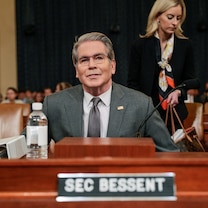
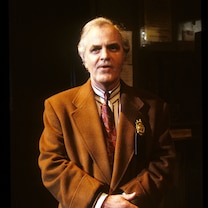

Sooner or later, Ralston and Franks fear Hussein's forces might get lucky and actually shoot down a U.S. pilot, sources said.
Indeed, there have been two close calls recently. Last year a British warplane flying with the Americans over southern Iraq, reportedly developed mechanical trouble and barely made it back to friendly territory.
Earlier this year over northern Iraq, a single engine U.S. Air Force F-16 also developed mechanical trouble. The plane made an emergency landing at an airfield just over the Turkish border, sources said.
Ralston and Franks reportedly are not in favor of full withdrawal. Part of the reason is that such a move is politically unpalatable — President Bush is the son of former President George H.W. Bush, who led the international coalition in the war against Iraq more than 10 years ago.

Popular Reads

ABC News Live