DOJ says it's 'reviewing' whether Epstein reports were improperly withheld
The Guardian reported that the records contained "unsubstantiated claims."
Three FBI memos from the Jeffrey Epstein investigation which were not released by the Justice Department contain explicit but uncorroborated allegations against President Donald Trump of sexual abuse of a minor in the 1980s, according to the British newspaper, The Guardian.
The newspaper's report on Thursday comes after top Democrats in Congress this week accused the White House and the DOJ of withholding the documents as part of an alleged cover-up to protect the president.
The FBI reports -- which the Guardian said it had obtained -- amount to 25 pages of notes from four interviews conducted with the witness between July and October 2019, according to the newspaper.
Only the record of the first interview was disclosed by the DOJ to its online repository of Epstein files.
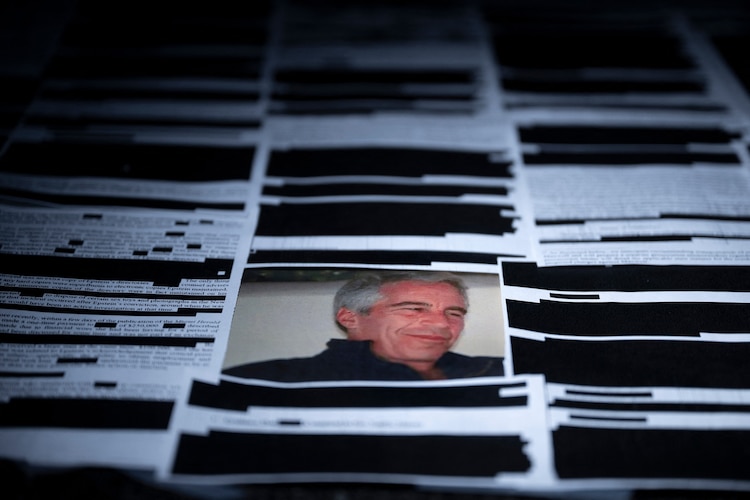
According to that report the witness told the FBI her encounters with Epstein occurred between 1983 and 1985 in South Carolina, a location not known to have been frequented by Epstein. The timing of the allegations would place them two decades before law enforcement in Florida began investigating Epstein for sexual exploitation of minors.
The woman told the agents she was about 13 years old at the time, according to the publicly available report. The witness said she was sexually abused by Epstein after being hired for what she thought was a babysitting job, but she said there were no children present. Similar abuse occurred, she said, on several more occasions, according to the initial FBI report.
Her statement also included allegations that Epstein gave her drugs and alcohol prior to the assaults, a description ABC News has not found in a review of dozens of other accounts of Epstein's abuse of young women and girls.
The woman did not make an allegation of wrongdoing against Trump during that initial interview.
2nd interview with FBI contains Trump allegations
According to the Guardian's report, it was during the FBI's second interview with the witness that she first raised the allegation that Trump had sexually assaulted her after she said Epstein introduced her to him in either New York or New Jersey, sometime between 1983 and 1985.
"The three missing documents contain an expanded version of the allegations that were summarized in an internal FBI slideshow about the Epstein and Ghislaine Maxwell investigations created in 2025," the newspaper reported.
Trump said in a 2002 interview that he had known Epstein for 15 years, which would suggest the relationship between the two men began approximately in the late 1980s.
An unnamed administration official told The Guardian that the documents containing the "non-credible accusations against President Trump" were marked by reviewers as "duplicative files," which the official claimed were not required to be released under the Epstein Files Transparency Act. The statement to The Guardian did not appear to explain how or why the records were marked as duplicates.
DOJ officials did not immediately respond to a request for comment from ABC News Thursday night.
According to the Guardian's report, the witness also claimed during the FBI interviews that Epstein had explicit photos of her and was attempting to use them to blackmail her mother.
The third interview of the witness was focused on the woman's claims of threats to her safety, according to the newspaper's account. At the final interview, in October 2019, the newspaper reports that the woman arrived without her attorney and declined to elaborate further on her allegations against Trump.
DOJ 'reviewing' whether reports withheld
The Justice Department late Wednesday said it was reviewing whether some interview reports were "improperly tagged in the review process" and omitted from the public release of the Epstein files.
"Several individuals and news outlets have recently flagged files related to documents produced to Ghislaine Maxwell in discovery of her criminal case that they claim appear to be missing," a DOJ account on X said on Wednesday. "As with all documents that have been flagged by the public, the Department is currently reviewing files within that category of the production. Should any document be found to have been improperly tagged in the review process and is responsive to the Act, the Department will of course publish it, consistent with the law."
California Rep. Robert Garcia, the ranking Democrat on the House Oversight Committee, said he reviewed unredacted evidence at the Department of Justice on Monday and determined that notes about the witness who accused President Trump of sexual abuse when she was a minor were withheld.
"Oversight Democrats can confirm that the DOJ appears to have illegally withheld FBI interviews with this survivor who accused President Trump of heinous crimes. Oversight Democrats will open a parallel investigation into this," Rep. Garcia said in a statement on Tuesday.
Trump has consistently denied all allegations.
An index of witness materials prepared in advance of the trial of Epstein associate Ghislaine Maxwell suggests that FBI agents interviewed the woman identified by Garcia four times in 2019, but an ABC News search of the DOJ's vast public archive of Epstein files found a report about just one of the meetings.
An analysis of the index and materials in the public database suggests that three FBI reports -- known as 302s -- and notes from three interviews were withheld, appearing to total more than 50 pages of material.
The concerns about the documents were first reported by independent journalist Roger Sollenberger and NPR.
According to an additional report included in the DOJ release, an attorney for the woman originally reached out to prosecutors in New York to share her allegations and inquire whether her photo was among the files seized from Epstein's phone.
"[His/her] clients would like to provide information to the FBI, but they would like to do so anonymously," the report said.
The woman told investigators it was during her fourth or fifth interaction with the man she knew as "Jeff," that there were two other men in the house as well, according to the report. The agent notes that the witness "may know the name of one man, but she did not feel comfortable providing it at this time," according to the FBI report. She claimed that the other two men watched while Jeff sexually assaulted her. She described the other men as older than Jeff, "fat and disgusting" and with southern accents.
The agent's notes conclude with an administrative note indicating that the witness became "very emotional" when asked if the other two men participated in the sexual assault, and that she advised agents that she could not continue that day. "The interview ended with the plan to continue with a follow up interview in the near future," the notes said.
The report from the FBI's first interview with the woman did not contain allegations against Trump. The president was mentioned during the interview when she identified Epstein by referencing a widely publicized photo of Trump and Epstein sent to her by a friend in 2019, a few months before her interview. The victim told agents that she wanted to crop the photo to only identify Epstein.
"The Agents asked whether [she] would be comfortable explaining why she wanted to crop the photograph. When [she] hesitated, [her] attorney advised [she] was concerned about implicating additional individuals, and specifically any that were well known, due to fear of retaliation," the notes said. "The Agents advised [her that] she could crop the image to show only what she felt comfortable with if she felt it was necessary."
According to the report, the woman said she "had met" the other person who was cropped out of the photograph but provided no further information.
In December of 2019, a woman referred to by the pseudonym "Jane Doe 4" joined a civil lawsuit against Epstein's estate and made allegations that are substantially similar to those raised in the FBI statement. According to court records, she submitted a claim to the Epstein Victims' Compensation Program, but was deemed ineligible. The EVCP ultimately awarded more than $120 million to 150 alleged victims, according to an accounting of the program at the time it was closed in 2021.
Jane Doe 4 subsequently voluntarily dismissed her lawsuit against the Epstein estate. It is not clear from the court records if she received a settlement.
Editor's note: This story has been updated.
Related Topics

Popular Reads
ABC News Live