Fact check: 2 misleading Postal Service statistics
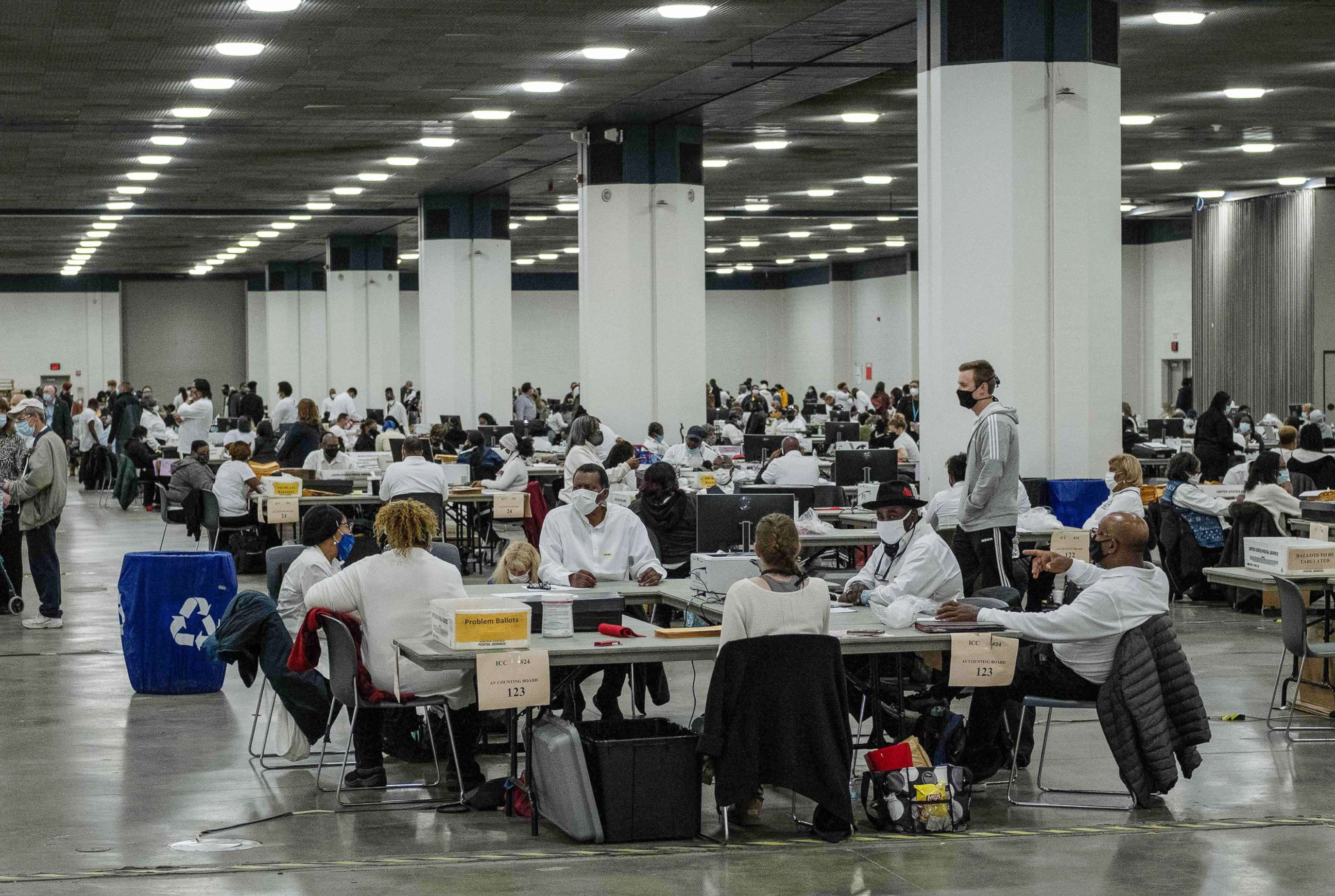
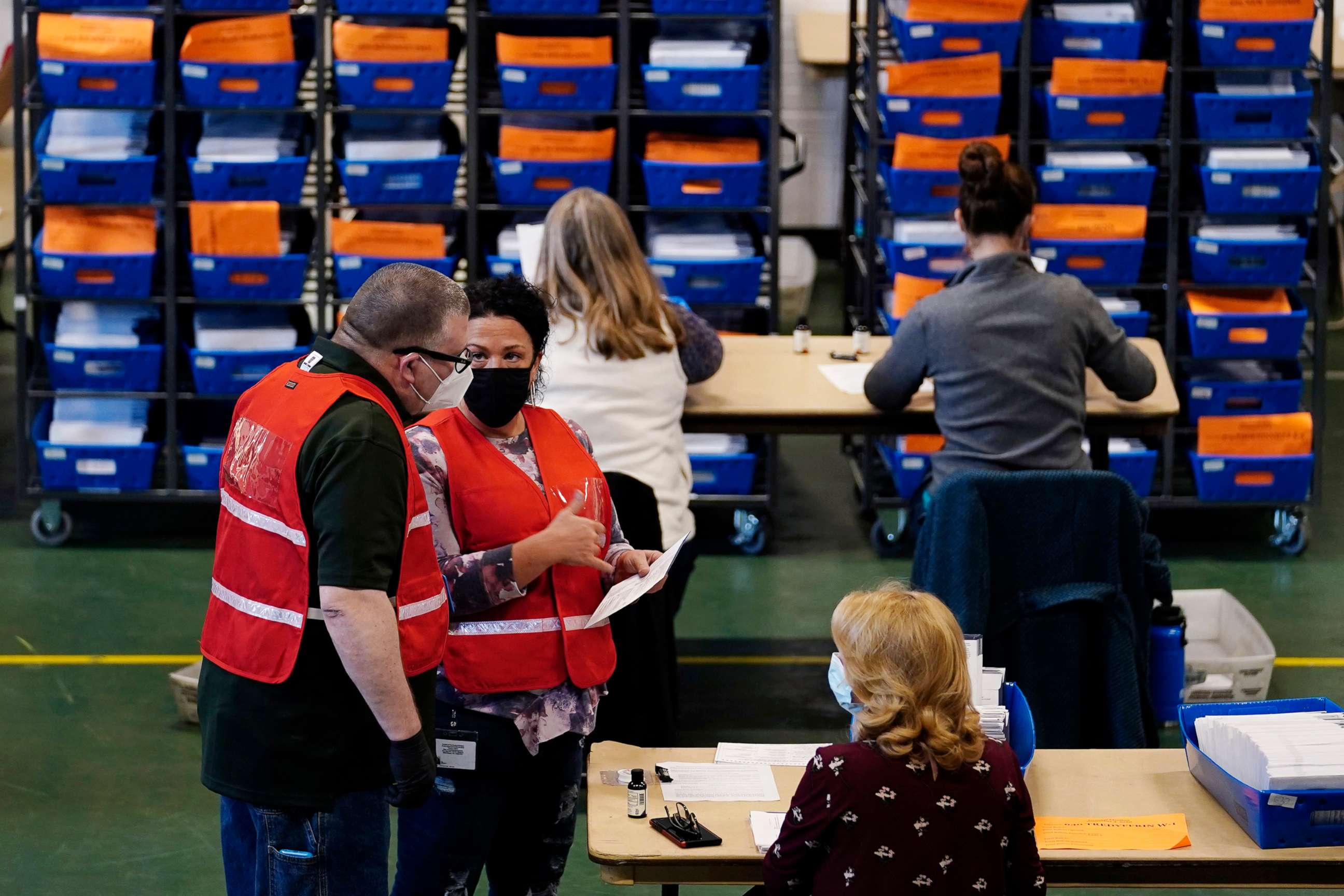
Two misleading statistics are circulating online blaming the Postal Service for problems with mail-in ballots.
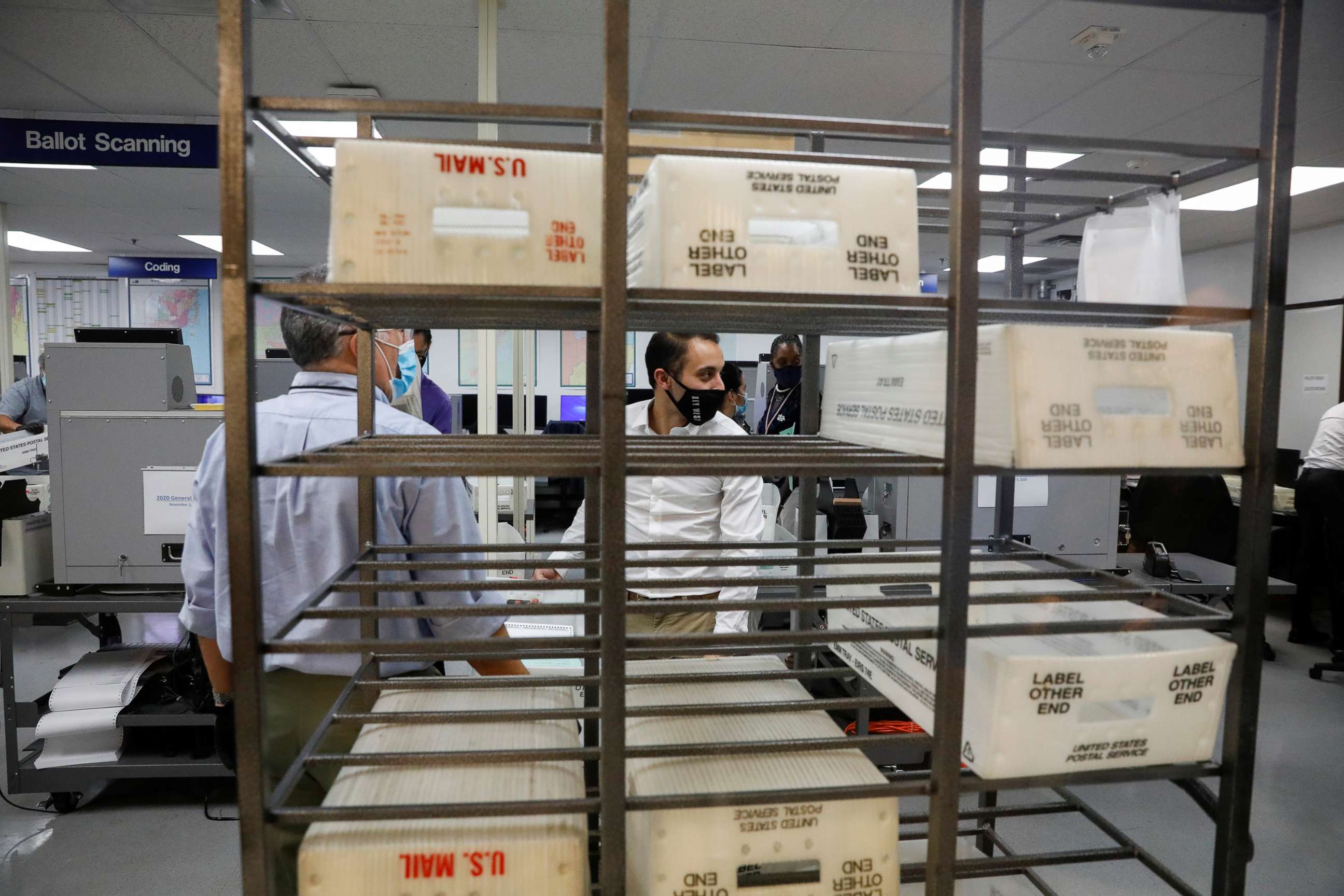
Documents filed by the Postal Service in multiple court cases indicate that more than 300,000 mail-in ballots were processed on their way into a postage facility, but never processed on the way out -- leaving the impression that these ballots remain stacked up in some warehouse, uncounted.
But the Postal Service and outside experts agree that there is no basis to this claim.
In an affidavit filed Wednesday, Kevin Bray, the executive lead for mail processing at the Postal Service, said "there are many reasons that a ballot may not receive a finalization scan."
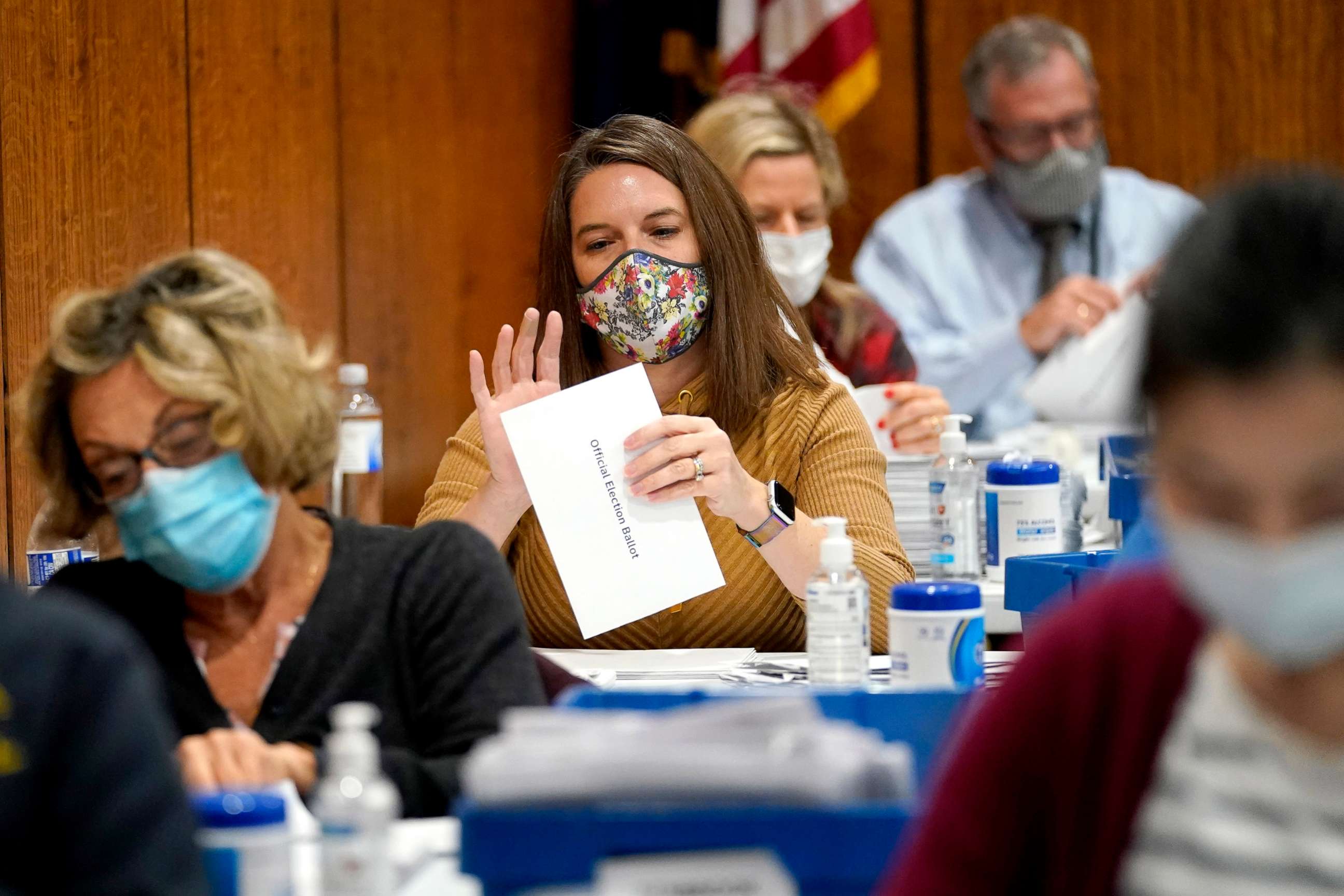
Bray explained that the Postal Service has adopted a set of "extraordinary measures" meant to improve ballot distribution times. Those measures, in part, involve removing ballots from normal processing to speed-up their delivery to election officials.
"This process involves an expedited approach to sorting ballots by (Boards of Election) on our processing equipment," he said, "and thus the ballots receive a first scan and are then removed, or 'held out' from further processing."
The Postal Service has also said in court filings that ballots sometimes stick together, are processed by hand or have illegible bar codes.
The second misleading statistic is that the Postal Service failed to deliver between 5 to 10% of mail-in ballots on time in the days leading up to Election Day.
The figures cited are daily "processing scores" provided to multiple courts pursuant to orders from federal judges -- not on-time delivery standards, as some news outlets have mistakenly reported.
The "processing scores" are complicated metrics that include several factors, including the time between a piece of mail's first and last processing, but not including transportation days.
These are court-ordered metrics intended to shed light on how timely ballots are being delivered. But many Postal Service offices do not track ballots -- they track First-Class mail, which includes ballots but also other types of mail. The Postal Service has repeatedly cast doubt on the viability of its own figures.
"This data does not produce accurate, reliable information, as it is incomplete, subject to change, and overall, is not an accurate representation of the Postal Service's performance," the Postal Service notes in each of its filings.
-ABC News' Lucien Bruggeman