Feb 11, 2021, 6:11 PM EST
What does it take to convict?: VIDEO
As Trump continues to face an unprecedented second impeachment trial, here's how the impeachment process works.

2:30
ABCNews.com
Biden remembered those who were killed and called for unity going forward.
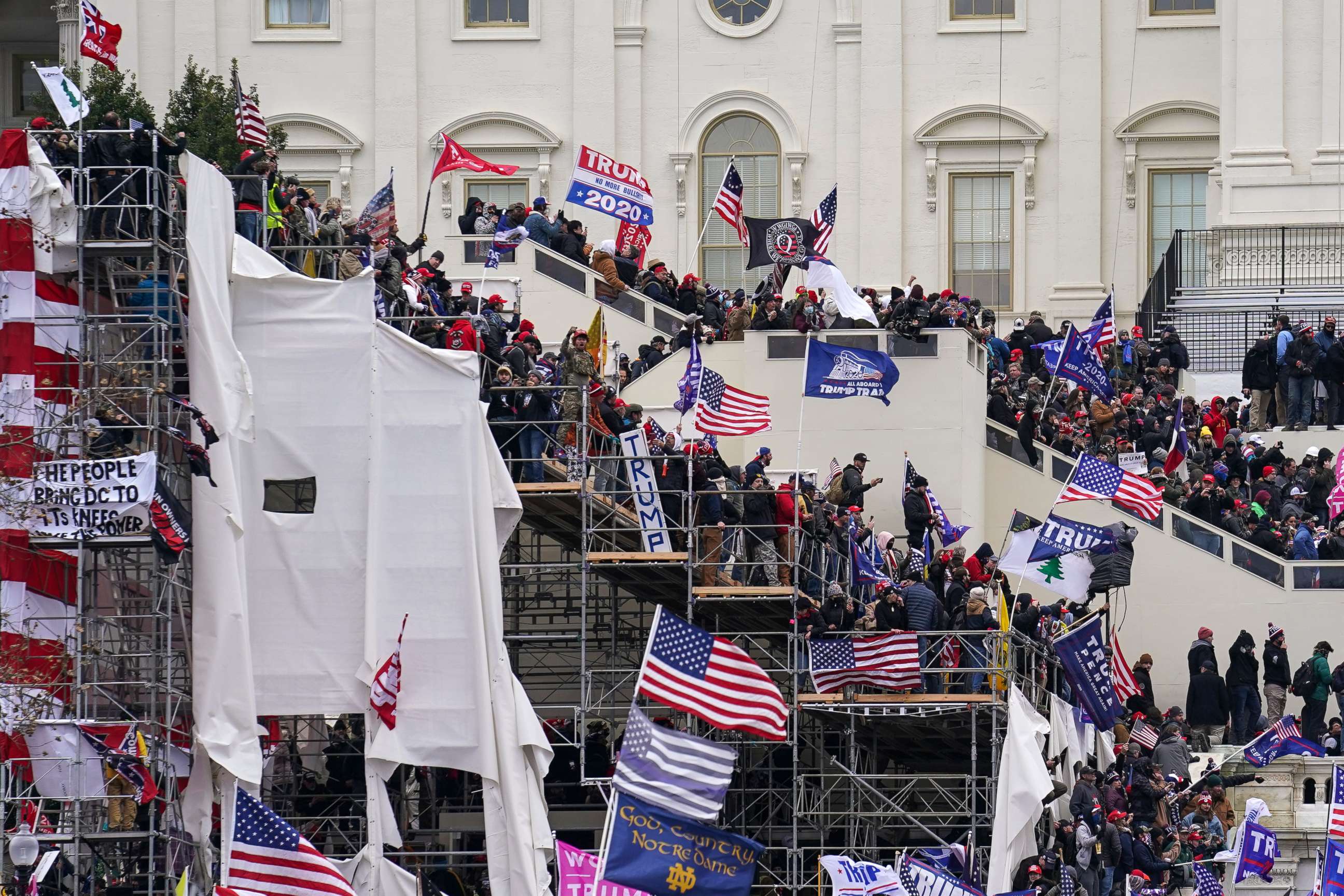
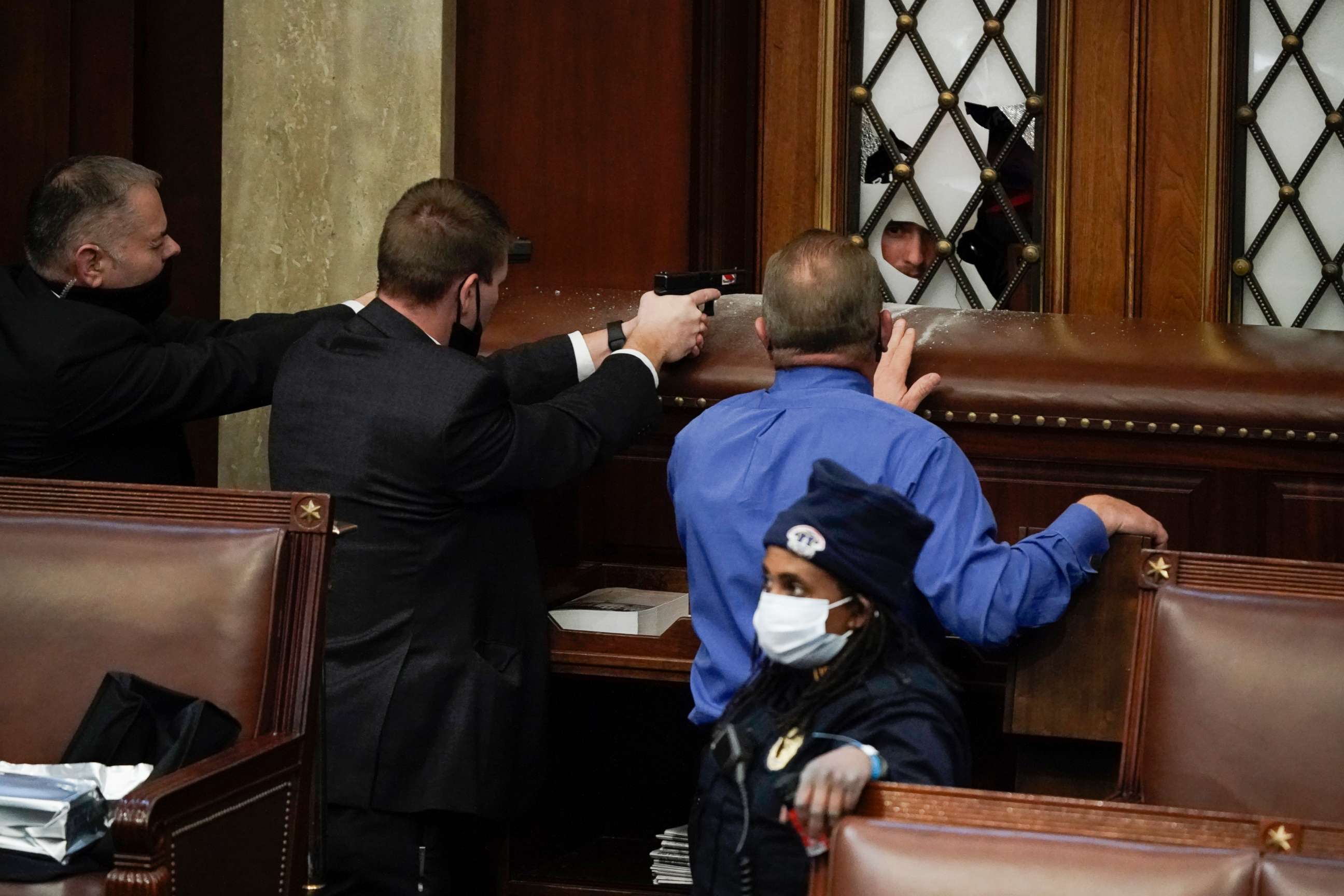
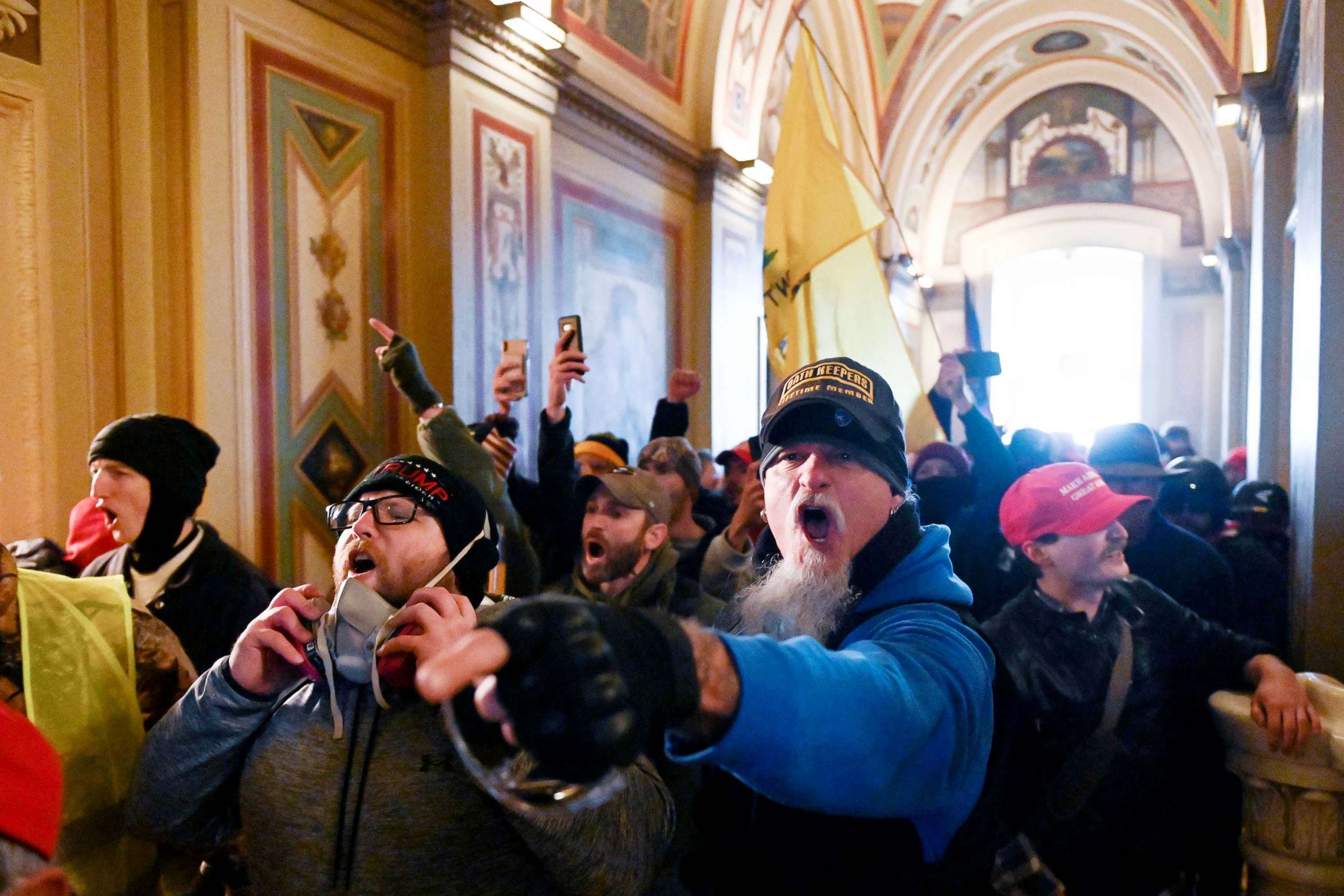
Former President Donald Trump's historic second impeachment trial ended with a 57-43 vote to acquit in the Senate. He faced a single charge of incitement of insurrection over his actions leading up to the Jan. 6 riot at the U.S. Capitol.
As Trump continues to face an unprecedented second impeachment trial, here's how the impeachment process works.
Rep. Madeleine Dean, D-Pa., was asked Thursday evening if the House impeachment managers need to call witnesses or if they feel they’ve made their case.
"I think we've made our case," she said.
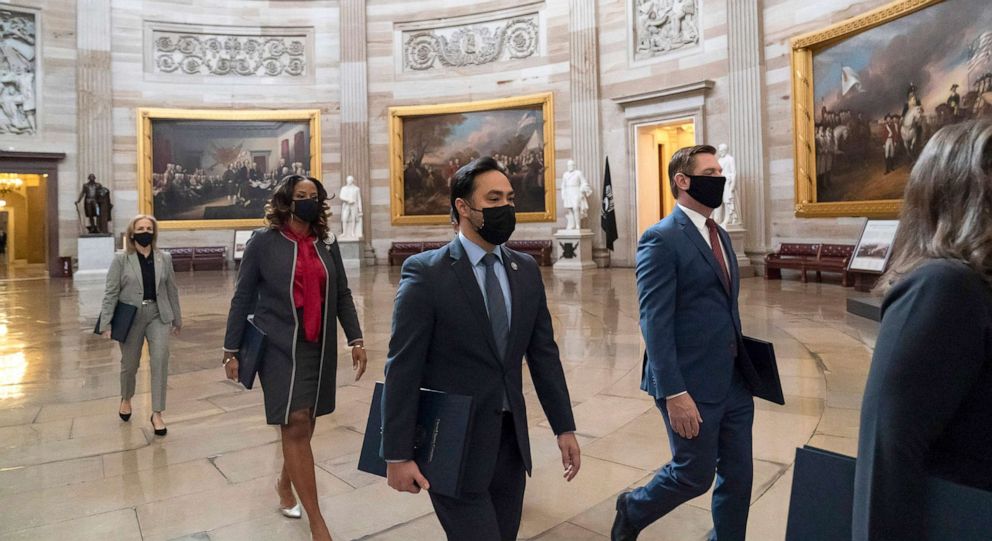
"I'm so contented that we put forward the very best case. It's up to the American people," Dean said in an exchange with another reporter. "The American people witnessed this, the senators witnessed this."
In Trump's 2019 Senate impeachment trial, Democrats requested to call witnesses, but Republicans blocked the move.
-ABC News' Trish Turner
After roughly 10 hours of arguments, lead House impeachment manager Rep. Jamie Raskin, D-Md., wrapped opening arguments for the group acting as prosecutors in the Senate trial against Trump.
"Mr. President, members of the Senate, first of all, thank you for your close attention and seriousness of purpose that you've demonstrated over the last few days. Thank you, also, for your courtesy to the House managers as we've come over here -- strangers in a strange land -- to make our case before this distinguished body," Raskin said with a light smile.
He reminded senators of their oaths to render impartial justice and walked them through their constitutional duties. He also reminded them that the Senate has already voted that the trial is constitutional, so their final votes on conviction should be based on the facts his team presented, not on whether they agree with the trial.
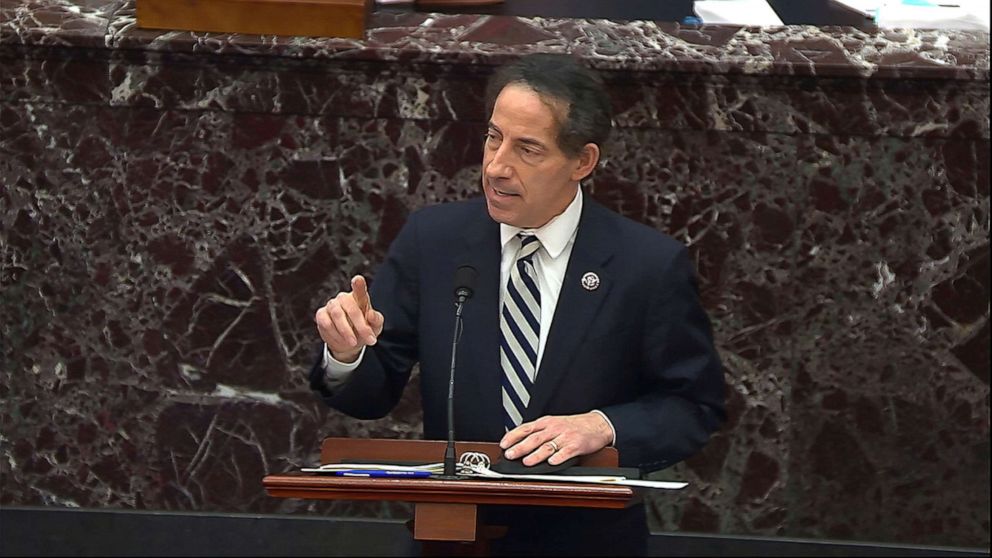
"Senators, I've talked a lot about common sense in this trial, because I think, I believe that's all you need to arrive at the right answer here," Raskin said. "When Tom Payne wrote 'Common Sense,' the pamphlet that launched the American Revolution, he said that common sense really meant two different things."
"One, common sense is the understanding that we all have, without advanced learning and education, common sense is the sense accessible to everybody. But common sense is also the sense that we all have in common -- as a community. Senators, America, we need to exercise our common sense about what happened," Raskin said, reaching out to Republicans in a divided Washington.
"Let's not get caught up in a lot of outlandish lawyers' theories here. Exercise your common sense about what just took place in our country," he said.
Raskin closed by telling the chamber, "Good luck in your deliberations."
The House managers have finished laying out their case against Trump and the Senate has adjourned for the day.
The trial will resume at noon on Friday, when Trump's legal team will deliver their argument.