Trump's defense to take the floor Friday following House managers
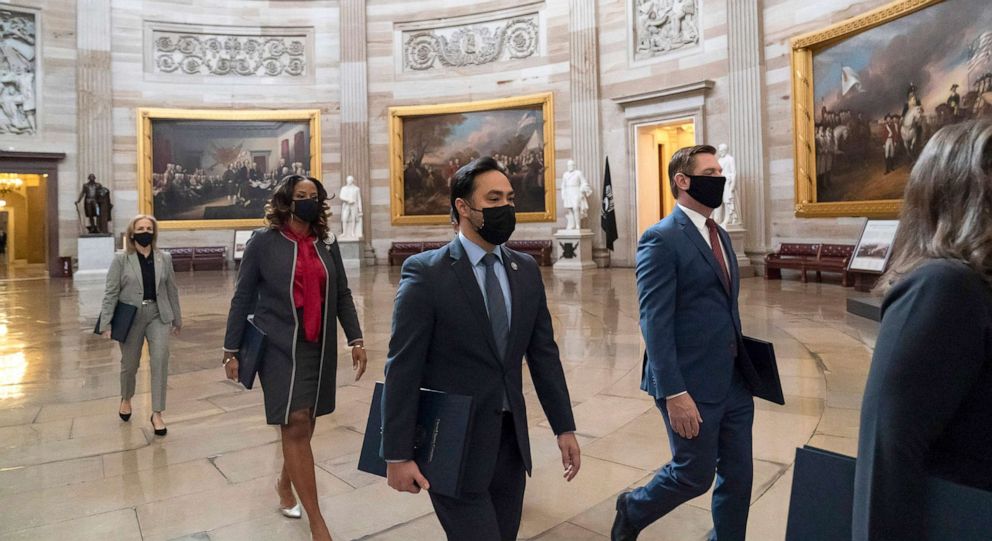
House impeachment managers finished presenting the opening arguments in their case charging Trump with "incitement of insurrection" on Thursday.
House managers worked to directly link Trump's rhetoric at a rally shortly before -- and in the months leading up -- to the attack on the Capitol, saying that in his speech he "lit the fuse" and directed the enraged crowd toward the Capitol. Managers pointed to past violence, like in Charlottesville, Virginia, and the attack on the Michigan state capitol, to assert that Trump knew the violence his supporters were capable of and the result of sending them to the U.S. Capitol.
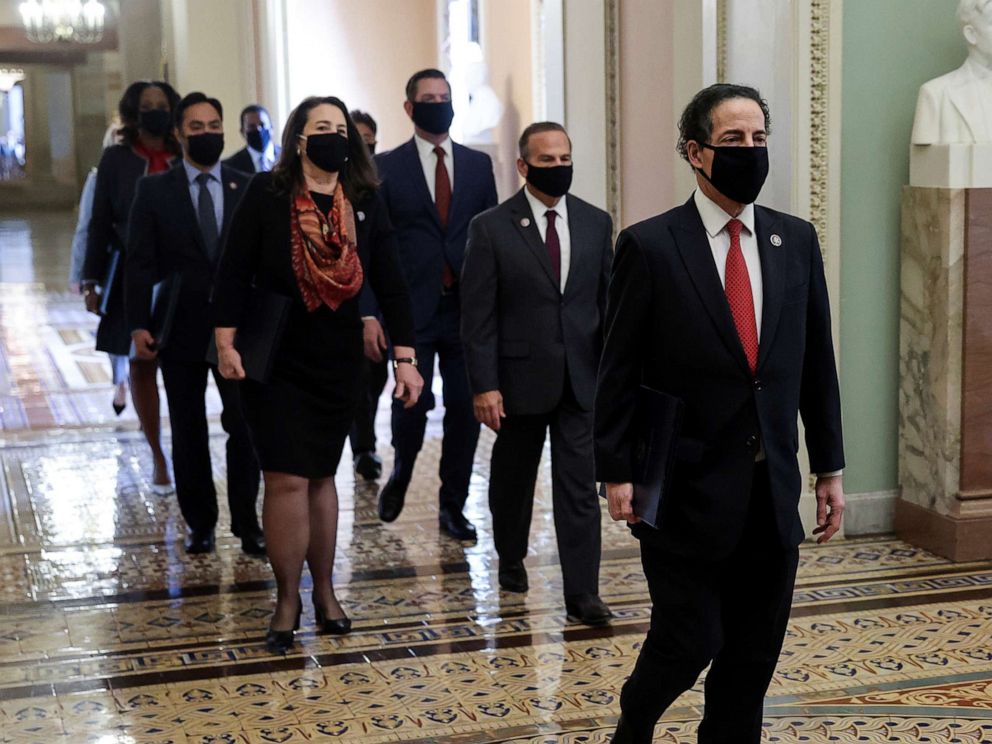
They also honed in on Trump's actions during and after the riot, insisting that he showed no remorse for his role in the attack and refused to take action as the violence worsened. They argued that his lack of remorse and refusal to take accountability show that Trump would incite violence again.
As in the past two days, the managers relied on photos, videos and audio clips to lay out their case, forcing the senators to relive the day of the attack. Managers also were on an early defense, addressing attacks they expected would come from Trump's lawyers. For example, they said that the First Amendment did not protect the kind of speech Trump gave at the rally on Jan. 6 and his continued false claims of election fraud. Lead manager Rep. Jamie Raskin, D-Md., said that the former president was not someone who yelled fire in a crowded theater, but rather as the "proverbial municipal fire chief who incites a mob to go set the theater on fire."
In the conclusion of their opening argument, they made a plea to the Senate to hold Trump "accountable" and insisted that it would do a great deal of damage if he's given another chance at power. Raskin ended by asking senators to exercise their "common sense," a nod to Thomas Paine, in deliberations about whether Trump incited insurrection.
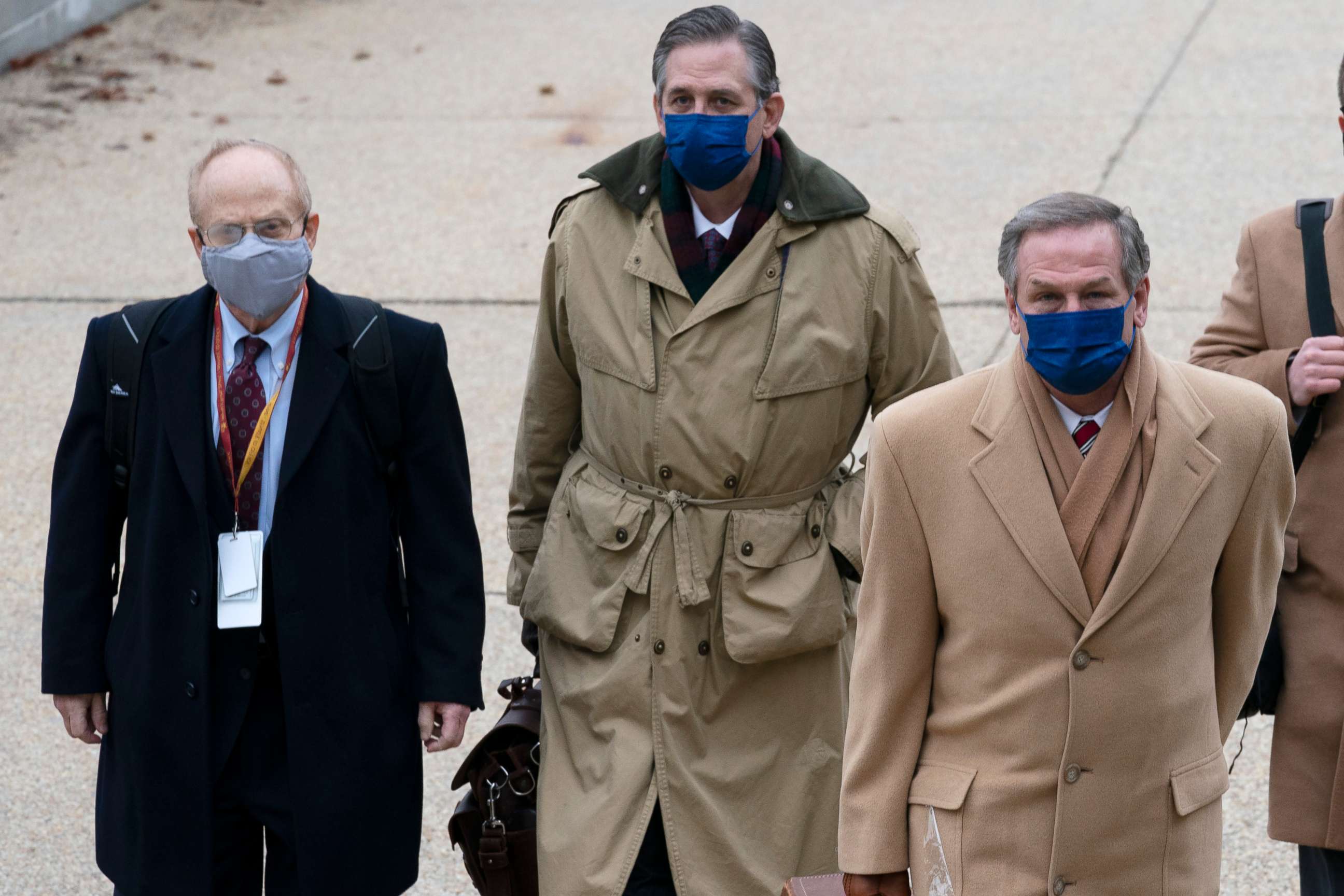
On Friday at noon, Trump's legal defense team will lay out their case. They are expected to argue that Trump's speech is protected by the First Amendment and that there's no evidence that Trump incited the mob.