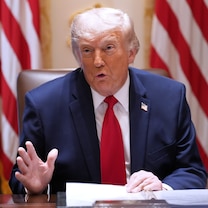
Following Donald Trump's unprecedented indictment by a Manhattan grand jury last Thursday, the former president begins the first steps in the criminal justice process.
Trump surrenders to authorities
The Manhattan district attorney's office said it has been in contact with Trump's lawyers to arrange his surrender to authorities in order to begin criminal proceedings.
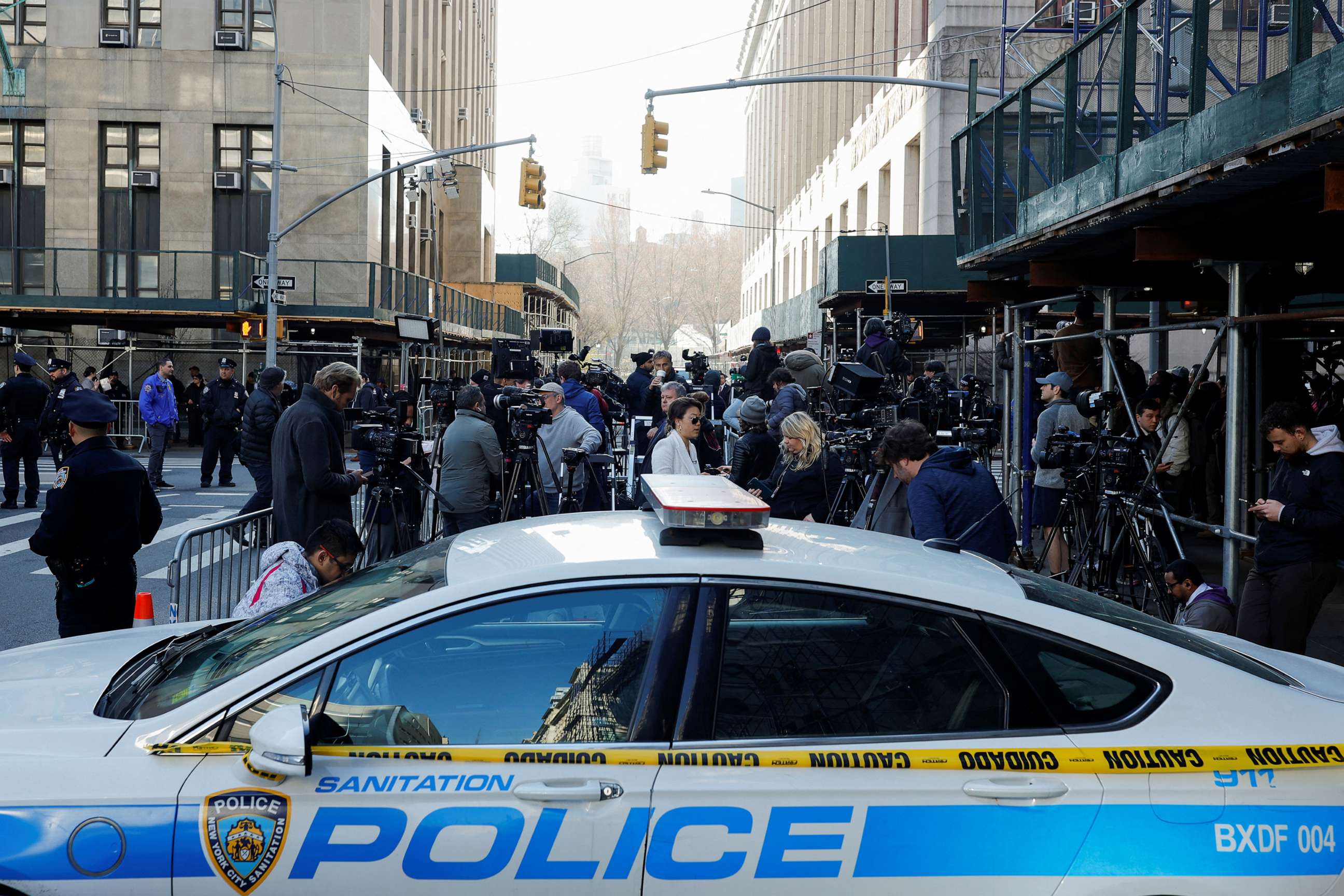
Trump, a Florida resident, traveled to New York City on Monday and spent the night at Trump Tower in midtown Manhattan before his arraignment in lower Manhattan on Tuesday. The former president must adhere to the court's deadline and be processed by authorities before heading to court for the unsealing of the indictment.
Trump is processed by authorities
Processing typically involves being fingerprinted and photographed for a mug shot, but experts say those may not occur in Trump's case because the former president is not a flight risk. Similarly, Trump's attorney Joe Tacopina told ABC News last Friday that the former "president will not be put in handcuffs."
It is also unlikely that Trump will be publicly transported to the courtroom by police, according to Cheryl Bader, an associate clinical professor of law at Fordham University in New York City.
"With white-collar crime, we see that a lot of [suspects] have the privilege of being able to turn themselves in instead of being arrested and put in handcuffs," Bader told ABC News during a recent interview.
Trump appears in court, makes plea
During the court appearance, which typically takes place in a courtroom without cameras in New York state, the former president will be read his charges and ordered to make a plea. Trump and his lawyers have indicated they intend to fight the indictment in court.
Following his plea, the judge will have the right to remand Trump on bail or release him on his own recognizance before adjourning for a future date. Bader said that judges rarely order suspects in white-collar crimes to be held in jail before their trial, and she expected that the judge will release Trump after the hearing.
In some cases, especially if the suspect is a flight risk, a judge may place restrictions on the suspect such as holding onto their passport, but Bader said it is unclear if the judge will go that far.
Judge hears motions, sets next court date
Following the judge's order, Trump's lawyers will have the opportunity to review the indictment charges and make motions regarding the case, including seeking to have the charges dismissed or evidence suppressed, or requesting a change of venue.
Several pre-trial hearings and motions are expected in the case, as Trump's lawyers have repeatedly made claims that Manhattan District Attorney Alvin Bragg's investigation is a political attack, according to Bader.
"I'm sure the case is going to be very litigated and take a lot of time to wind its way through the system," Bader told ABC News.
-ABC News' Aaron Katersky, Ivan Pereira and Will Steakin