Third Anthrax Exposure in Fla.
Oct. 10 -- A third person tested positive for anthrax exposure in Florida as the FBI opened a criminal investigation into exposures to the deadly virus, federal officials announced tonight.
MORE INVESTIGATIVE NEWS:• FBI Most Wanted Terrorists List Announced• Hijackers Scouted Flights, Studied Crew
• Italy, Germany Arrest Suspects
Acting U.S. Attorney Guy Lewis said the latest victim is a 35-year-old woman who asked not to be identified and who worked at the headquarters at American Media Inc. in Boca Raton, Fla. She is hospitalized and being treated with antibiotics.
"The criminal investigation will focus on answering three basic questions: how and when was the bacteria admitted into building, when did it happen and why," he said.
Anthrax spores caused the death of Bob Stevens, a 63-year-old photographer for The Sun, a supermarket tabloid published by American Media. Tests revealed that another employee, Ernesto Blanco, had spores in his nasal passages. Blanco is being treated at a Miami-Dade County hospital.
The Centers for Disease Control said it could not yet confirm or deny whether Blanco had actually been infected with anthrax. But Blanco's family tells ABCNEWS the 73-year-old man nearly died over the weekend.

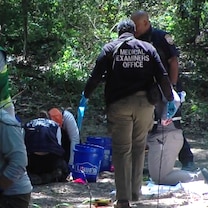

Hector Pesquera, the lead investigator in the case, said FBI investigators have determined that the anthrax spores were isolated to the media headquarters. Officials, he said, have found no link between the anthrax exposures and terrorist groups and the Sept. 11 terrorist attacks on the United States.
Federal authorities have said the anthrax spores responsible for Stevens' death were not naturally occurring but rather a crude kind isolated in a laboratory. After combing through the American Media offices, the FBI found traces on only one computer keyboard that was used by Stevens before he died last week.
The 35-year-old woman worked in the same vicinity as Stevens and Blanco, according to a senior law enforcement official.
While investigators think a terrorist attack would more likely have spread anthrax throughout the entire building, they also say the strain of lab-isolated bacteria found almost certainly rules out a lone crackpot. Preliminary tests suggest the spores may be from a particularly deadly vaccine-resistant strain that may have been first harvested in an Iowa veterinary research lab in the 1950s. The tests are not yet conclusive.
Florida Secretary of Health John Agwunobi tonight urged residents not to panic and reminded them that anthrax is not contagious. He wanted the public to be reassured that federal and Florida officials caught the traces of anthrax spores early and that enabled them to find Stevens and the other exposures. And despite fears of possible anthrax exposure nationwide, he said no one else has tested for the bacteria that causes the deadly virus.

Popular Reads
ABC News Live