Russia-Ukraine updates: Putin says 'certain positive movements' in negotiations
A third round of talks between Russia and Ukraine ended without any resolution.
Russian forces are continuing their attempted push through Ukraine from multiple directions, while Ukrainians, led by President Volodymyr Zelenskyy, are putting up "stiff resistance," according to U.S. officials.
The attack began Feb. 24, when Russian President Vladimir Putin announced a "special military operation."
Russian forces moving from neighboring Belarus toward Ukraine's capital, Kyiv, have advanced closer to the city center in recent days despite the resistance, coming within about 9 miles as of Friday.
Russia has been met by sanctions from the United States, Canada and countries throughout Europe, targeting the Russian economy as well as Putin himself.
For previous coverage, please click here.
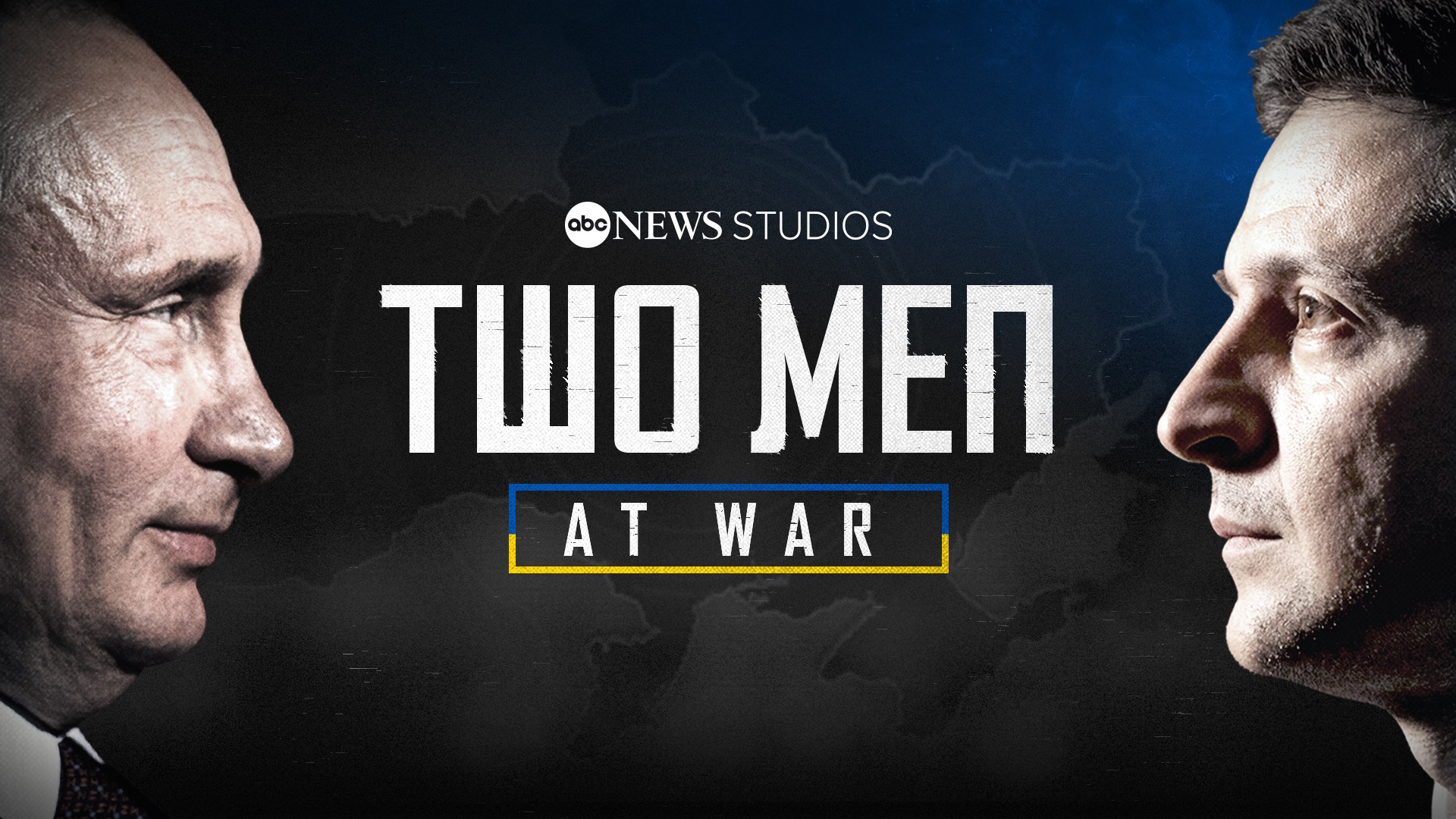


Latest headlines:
- Ukrainian air force claims Russia carried out false flag airstrike in Belarus
- UN has credible reports of Russian cluster bomb use, attacks on health care
- Putin claims 'certain positive movements' in Ukraine negotiations
- Russian general prosecutor wants Meta declared 'extremist organization'
- Putin orders Russian military to help volunteer fighters from Middle East travel to Ukraine
NATO won't fight Russian forces in Ukraine
In a joint press conference in Estonia, when British Prime Minister Boris Johnson and NATO Secretary-General Jens Stoltenberg were asked why there isn't a no-fly zone over Ukraine, they said NATO will provide defensive military support by providing arms, but ultimately NATO is a defensive alliance and they won't fight Russian forces in Ukraine.
"When it comes to a no-fly zone... we have to accept the reality that involves shooting down Russian planes," Johnson said. "That's a very, very big step that is simply not on the agenda of any NATO country."
Estonia's Prime Minister Kaja Kallas said NATO should be prepared to defend the most vulnerable part of NATO, which is the Baltic countries, and need to move from a "forward presence to forward defense, and from air policing to air defense."
Johnson also said, "If Vladimir Putin thinks he's going to push NATO back by what he's doing, he's gravely mistaken. This will end up with a fortified and strengthened NATO on his Western flank -- you'll have more NATO, not less NATO."
-ABC News' Christine Theodorou
136 civilian deaths reported
A spokesperson for the U.N. High Commissioner for Human Rights said 136 civilians have been killed in Ukraine, including 13 children.
Another 400 Ukrainian civilians have been wounded, spokesperson Liz Throssell said.
Blinken steps into Ukraine after meeting with foreign minister
U.S. Secretary of State Antony Blinken crossed the border into Ukraine Saturday after meeting with Ukrainian Foreign Minister Dmytro Kuleba at the Korczowa Border Crossing Point.
"The entire world stand with Ukraine," Blinken said, and Kuleba added that he hopes Ukrainians will see this as a "clear manifestation that we have friends who literally stand by us."
Blinken said the sanctions imposed so far against Russia are "producing very, very concrete results" and that the pressure will "grow" until this "war of choice is brought to an end."
When asked directly about helping Kuleba with more firepower, Blinken said, "the support for Ukraine not only has been unprecedented, not only is going to continue, it's going to increase."
Kuleba said Ukraine "appreciates" sanctions that have been announced in the last week, but that more economic and political pressure and "necessary weapons," would "save many lives in Ukraine... many sufferings will be avoided."
Kuleba also said that they are “satisfied" with already arranged supplies of anti-tank weapons and ammunition, but that “it’s no secret” they still want fighter jets and air defense systems.
He also thanked the U.S. for sending stingers, and said they were used on Saturday.
"Just today we shot down three Russian attack aircrafts, which were bombing our cities with the use of stingers but we need -- so to say -- big air defense systems to ensure the safety of our skies. If we lose the skies, there will be much, much more blood on the ground,"Kuleba said.
In response to questions about NATO’s refusal to impose a no-fly zone over Ukraine, Kuleba said it’s a "sign of weakness," but stayed optimistic that they will change their minds.
"The time will come," he said.
-ABC News' Conor Finnegan and Justin Gomez