Russia-Ukraine updates: 2 US veterans who joined Ukrainian forces missing
The Americans, Andy Tai Ngoc Huynh and Alexander Drueke, are both from Alabama.
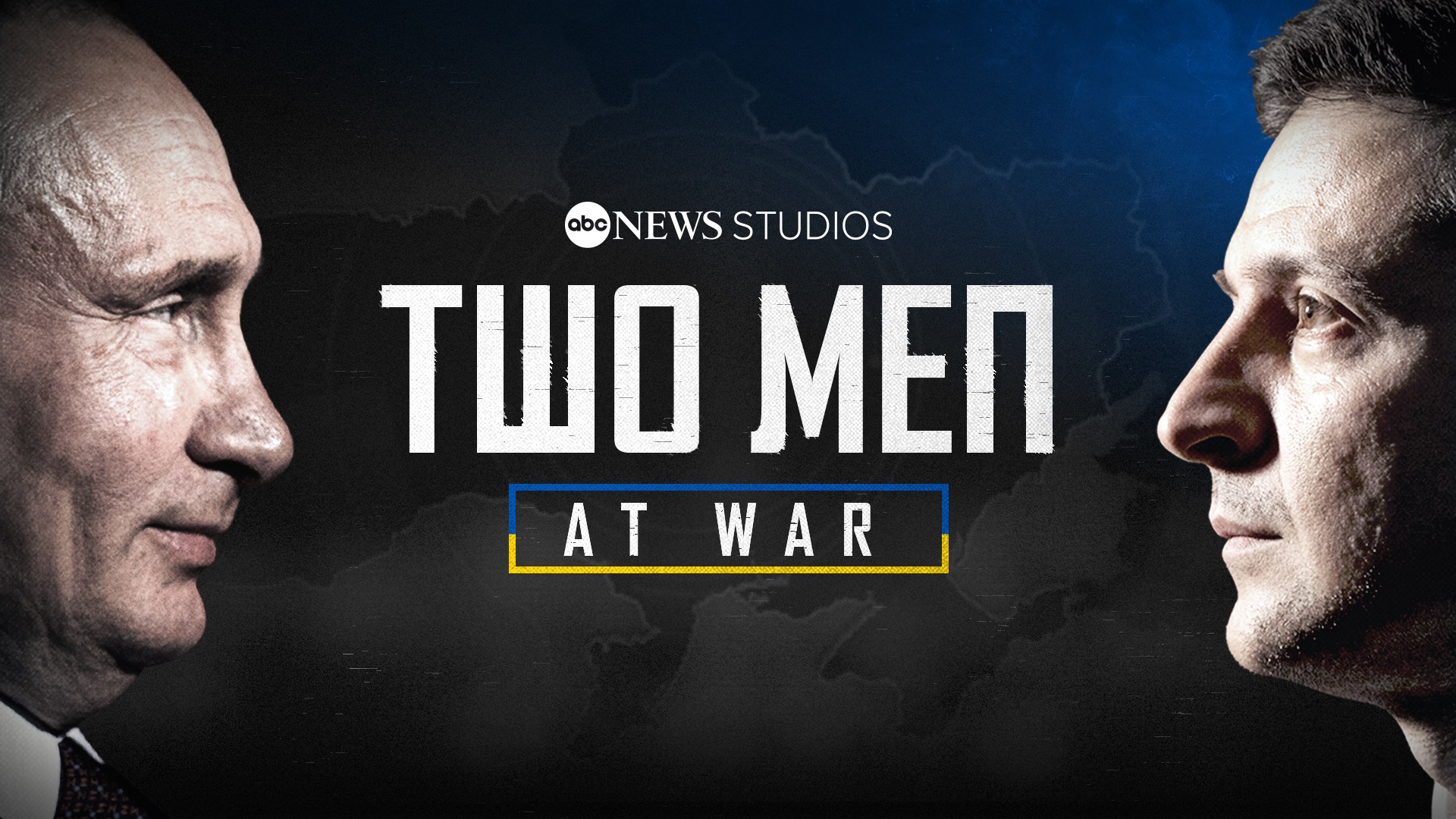
Russian President Vladimir Putin's "special military operation" into neighboring Ukraine began on Feb. 24, with Russian forces invading from Belarus, to the north, and Russia, to the east. Ukrainian troops have offered "stiff resistance," according to U.S. officials.
The Russian military has since launched a full-scale ground offensive in eastern Ukraine's disputed Donbas region, capturing the strategic port city of Mariupol and securing a coastal corridor to the Moscow-annexed Crimean Peninsula.
For previous coverage, please click here.


Latest headlines:
US secretary of state, defense chief meeting with Zelenskyy in Kyiv
An advisor to Ukrainian President Volodymyr Zelenskyy said that U.S. Secretary of State Antony Blinken and U.S. Defense Chief Lloyd Austin are meeting with Ukraine's leader on Sunday in Kyiv.
The adviser, Oleksii Arestovich, said in an interview on Ukrainian TV late Sunday that the talks are going on "right now."
-ABC News' Jason Volack
More than 2.9M people have fled Ukraine to Poland
More than 2.9 million people have fled Ukraine and sought refuge in Poland since the Russian invasion began in February, the Polish Border Guard said on Sunday.
In recent days, however, the number of people crossing the border into Poland has fallen, while the number of refugees going back into Ukraine has risen, according to the border guard.
On Saturday, about 21,100 people entered Ukraine from Poland, while 15,100 fled to Poland from Ukraine, the agency said on Twitter.
Ukrainian losses from war top $1 trillion: Economic advisor
Ukraine's losses, including destroyed homes and massive damage to the country's infrastructure, has topped $1 trillion since Russian forces invaded the country two months ago, according to Ukraine's top economic advisor.
Oleg Ustenko, economic adviser the Ukrainian president, announced the country's staggering losses in a televised address on Sunday.
"This is what was destroyed by the Russian invaders in our assets. It is clear that this figure literally increased every day ... the aggressor destroyed our infrastructure, destroyed the homes of our citizens, destroyed everything that could be destroyed by their own and air strikes, and simply by dropping bombs and everything they did," Ustenko said.
Ustenko said additional losses have come as a result of Ukraine's declining gross domestic product.
"It is this figure that we must focus on," Ustenko said. "It is this figure that should be compensated by the Russian Federation immediately after our victory."
Humanitarian corridors fail to open in Mariupol
The opening of humanitarian corridors for people to escape the besieged Ukrainian port city of Mariupol did not occur as scheduled on Sunday because Russian troops in the area did not confirm a cease-fire, according to Ukrainian Deputy Prime Minister Iryna Vereshchuk.
Vereshchuk called on the United Nations to step in and provide the escape routes for civilians still trapped in Mariupol by the fighting.
She said the problem over establishing humanitarian corridors out of Mariupol should be raised with U.N. Secretary-General Antonio Guterres.
White House national security adviser hints at more sanctions against Russia
White House national security advisor Jake Sullivan hinted Thursday of more sanctions coming against Russia in the "next week or two" aimed at targeting ways Moscow is evading sanctions already imposed.
“Where our focus will be over the course of the coming days is on evasion,” Sullivan said Thursday at the Economic Club of Washington. “As Russia tries to adjust to the fact that it’s under this massive economic pressure, what steps do they take to try to evade our sanctions and how do we crack down on that? And I think we'll have some announcements in the next week or two that identify targets that are trying to facilitate that evasion both inside Russia and beyond."
When Sullivan was asked whether sanctions will automatically be lifted if a negotiated peace deal between Russia and Ukraine is worked out, he appeared cautious with his words, saying, “a lot of that depends on what the shape and scope” of the agreement is.
“A lot of it depends on what the Ukrainians, in consultation with us and the Europeans come to agree to," Sullivan said. "You know, we're not going to do a deal over the head of the Ukrainians where we give a bunch of sanctions relief to Russia. But if some measure of sanctions relief were built in to some credible diplomatic solution led by the Ukrainians, that's something that we would happily discuss."
But Sullivan said Russian oligarchs shouldn't expect to ever get back their yachts and other assets seized under sanctions that have been imposed, saying the ultimate goal is "not to give them back” once the war is over.
“The president is actively looking at how we can deal with the fact that as we seize these assets, our goal is not to give them back. Our goal is to put them to a better use than that," Sullivan said. "But I'll be careful in what I say today because there's an ongoing kind of policy process around how we end up dealing with that question. But, rest assured, that the goal is not just to sit on them for a while."
-ABC News' Justin Gomez