
How to keeps pets safe ahead of Hurricane Isaias
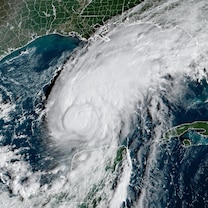
Hurricane Isaias is expected to make landfall in the U.S. Gulf Coast region Friday night.
Ahead of the arrival of the now-Category 3 storm, experts are sharing tips to keep animals and pets like cats and dogs safe and secure and in healthy condition before life-threatening storm conditions impact the Florida Panhandle, southern Georgia and Alabama.
Animals are particularly vulnerable in natural disasters and emergency situations like hurricanes, according to nonprofit Humane World for Animals, which stresses setting up an emergency plan for pets.
Here's what pet owners can do to prepare before conditions worsen.
Check that pets have proper identification collars and tags
Ideally, pets should be microchipped with current registration up to date in order to aid in the reunification process, if an owner gets separated from their pet.
At minimum, pet IDs should include updated contact information such as phone numbers and owner names.

Check that pets have updated vaccines and keep documentation on hand
Animal rescues, boarding kennels, shelters and other similar services may require vaccination records in order to temporarily house pets in need.
Evacuate early
People with pets should take measures to evacuate areas under threat sooner than later. If you have to evacuate, bring your pets with you.
The Federal Emergency Management Agency offers a search tool on its website to identify nearby local emergency management offices and request evacuation assistance if needed.

Contact area hotels and motels



Pet owners should check if local hotels and motels can take in pets during a tropical storm or hurricane and inquire about any potential vacancies, waivers or restrictions such as the size of an animal or the number of animals permitted.
Check boarding facilities and veterinary offices
Another important resource is a list of local facilities and services that can take in animals in the event of a natural disaster or emergency situation and 24-hour emergency phone numbers.

Make a disaster kit for pets
Pets should have at least five days' worth of food and water available, as well as any medications, records, litter boxes, waste bags, clean bowls and other necessary tools, such as a manual can opener for canned foods.
Other useful items include pet first-aid kits (including activated charcoal to treat any potential exposure to poison), leashes, harnesses, crates and carriers, current photos of your pets with descriptions, toys, and blankets, as well as written instructions for pets' feeding schedules, medication information or other notes.
Extra clean water is also helpful in the event a pet is exposed to flood waters or other risky conditions, such as an area with chemicals.
After the storm has passed
Pet owners may also want to have a checklist ready for whenever the storm passes and it is safe to return home.
The Pensacola Humane Society in Pensacola, Florida, shared a list on Thursday of things pet parents should remember after a hurricane, including keeping pets leashed or securely contained; checking yards for any debris or safety hazards; keeping pets away from floodwater, potentially contaminated water, downed power lines, and damaged structures; and watching for "displaced or unfamiliar animals" who may have been disturbed by the storm.
Additionally, the humane society noted that owners should not let their pets roam freely, as "familiar landmarks and scents may have changed," and should "monitor pets for injuries, illness, stress, or unusual behavior."
Related Topics

Popular Reads
ABC News Live